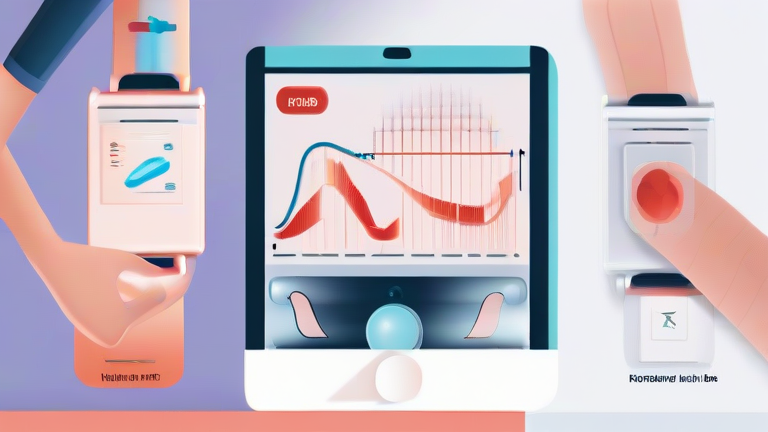
Wearable Health Monitors: How They Predict Disease Risks

The convergence of artificial intelligence and biometric sensing has transformed wearable devices from simple step counters into sophisticated predictive health instruments. This technological evolution is not merely a consumer trend but a fundamental shift in how healthcare providers and insurers approach preventative medicine. The market for wearable health technology is experiencing exponential growth, driven by an aging global population and a increasing demand for remote patient monitoring solutions. Analysts project that the global wearable medical devices market will surpass $180 billion by 2027, fueled by the integration of machine learning algorithms capable of detecting subtle physiological changes long before clinical symptoms manifest.
From a strategic perspective, companies are moving beyond hardware-centric models to embrace holistic health ecosystems. The true value lies not in the device itself, but in the data analytics platform that interprets continuous streams of biometric information. By analyzing heart rate variability, sleep patterns, and blood oxygen levels, these systems can identify early warning signs for conditions such as atrial fibrillation, diabetes, and respiratory infections. This shift enables a proactive rather than reactive healthcare model, significantly reducing long-term medical costs and improving patient outcomes. Strategic partnerships between tech giants and traditional healthcare providers are becoming the norm, allowing for seamless data integration into electronic health records.
Consider the case study of a major smartwatch manufacturer that partnered with a leading cardiovascular research institute. By deploying their latest device in a clinical trial involving fifty thousand participants, the company demonstrated a ninety percent accuracy rate in predicting atrial fibrillation episodes up to four hours before onset. This breakthrough not only validated the clinical efficacy of consumer-grade wearables but also opened new revenue streams through insurance partnerships, where policyholders receive discounts for maintaining healthy biometric metrics. Another notable example involves a startup specializing in continuous glucose monitoring for non-diabetic individuals. Their algorithm analyzes metabolic trends to predict pre-diabetic states, allowing users to adjust their diet and lifestyle proactively. This approach has reduced the incidence of Type 2 diabetes in their pilot groups by fifteen percent over two years.
If you want to dig deeper, check out our guide on Global Scale-Up of Sustainable Aviation Fuel for Cleaner Air.
However, challenges remain regarding data privacy and regulatory compliance.