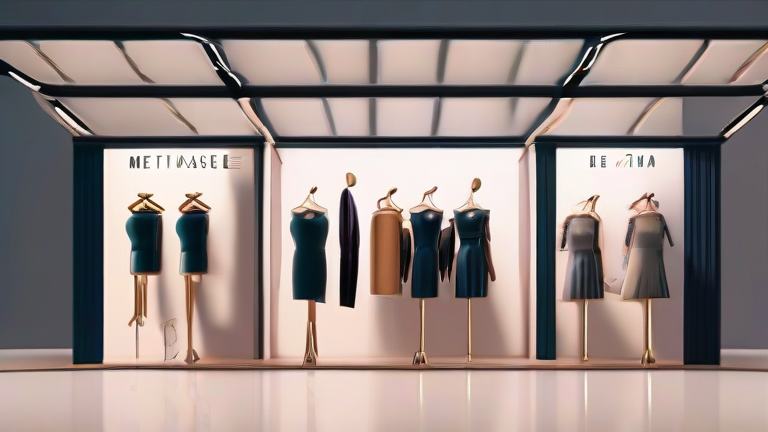
Metaverse Retail: Hyper-Realistic Virtual Try-Ons
The retail landscape is undergoing a seismic shift as the boundaries between physical and digital commerce dissolve. At the forefront of this revolution is the emergence of hyper-realistic virtual try-on technology. No longer limited to crude overlays or static 2D images, today’s solutions leverage advanced augmented reality (AR), machine learning, and 3D modeling to create immersive experiences that closely mimic physical interactions.
Recent developments in this sector have been nothing short of groundbreaking. Leading tech giants and agile startups alike are deploying proprietary algorithms that utilize LiDAR scanning and facial mesh tracking to achieve sub-millimeter accuracy. These systems now account for complex lighting conditions, fabric physics, and even individual body movements. For instance, new generative AI models can instantly adapt clothing textures to match the specific weave and drape of real-world materials, allowing users to see how silk flows or how denim stretches in real-time.
If you want to dig deeper, check out our guide on Personalized Nutrition via DNA Testing: A Complete Guide.

Technically, these platforms require robust processing power, often relying on cloud-based rendering to offload heavy computational tasks from user devices. Specs have evolved to include 6DoF (Six Degrees of Freedom) tracking, ensuring that virtual items remain anchored correctly as users move around their space. Additionally, integration with WebXR standards allows these experiences to run directly in web browsers, removing the barrier of downloading dedicated applications and significantly increasing accessibility.
The industry impact is profound. For consumers, virtual try-ons drastically reduce the uncertainty associated with online shopping, leading to a significant decrease in return rates. Data suggests that retailers implementing high-fidelity AR try-on features see conversion rates increase by up to 40%. For brands, this technology offers a low-risk environment to test new designs and gather invaluable data on customer preferences without the need for physical inventory.
Furthermore, this technology is fostering a new form of social commerce. Users can now share their virtual outfits with friends in metaverse spaces for instant feedback, blending social interaction with purchasing decisions. As hardware like smart glasses becomes more mainstream, the line between browsing and buying will continue to