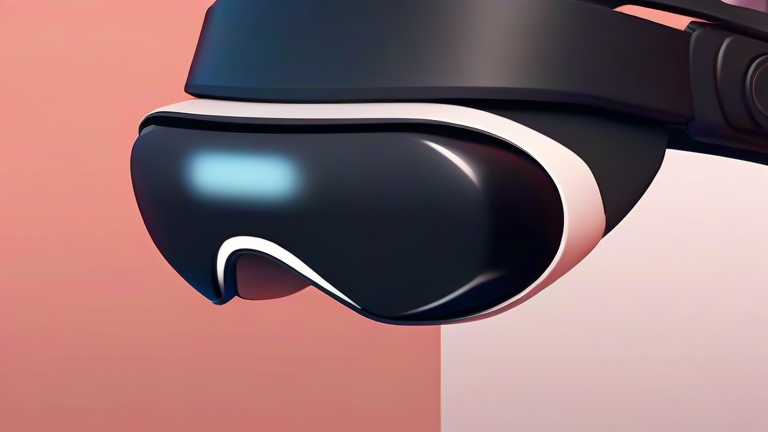
VR Social Platforms Gaining Traction: The Rise of Virtual Connections
Virtual reality has evolved from a niche gaming hobby into a robust social infrastructure. As hardware becomes more comfortable and software more intuitive, millions are finding genuine community online. This guide helps you navigate this new frontier effectively.
First, select your platform. Consider your goals. If you want gaming and casual hangouts, VRChat is the top choice. It offers infinite user-generated content. For professional networking and structured events, Horizon Workrooms is ideal. It integrates with enterprise tools seamlessly. Choose wisely based on your desired interaction type.
Next, prepare your hardware. Ensure your headset is fully charged. Update firmware to the latest version to avoid bugs. Connect to a high-speed Wi-Fi network. A stable connection prevents motion sickness and lag. If you use a PC VR headset, check your cable management. Loose cables can disrupt immersion during social moments.
If you want to dig deeper, check out our guide on Remote Work Hubs Are Replacing City Offices.
Now, create your avatar. This is your digital body. Customize it to reflect your personality. You can choose realistic human forms or fantastical creatures. Comfort is key. Adjust the height and hand tracking settings. Test your voice chat microphone. Clear audio builds trust and facilitates better conversation. Many platforms allow you to save multiple avatars. Switch between them for different social contexts.
Join your first social space. Start with guided tours. Many platforms offer beginner areas. These spaces are often quieter and more welcoming. Look for “New User” groups or events. Attend them to meet other beginners. Ask questions openly. Most VR communities are supportive of newcomers. Avoid jumping into large, chaotic worlds immediately. It can be overwhelming and lead to discomfort.
Develop good digital etiquette. Respect personal space. Do not invade another user’s avatar bubble unless invited. Use gestures to communicate. Wave, point, or nod. These non-verbal cues are vital in text-less environments. Be mindful of your voice