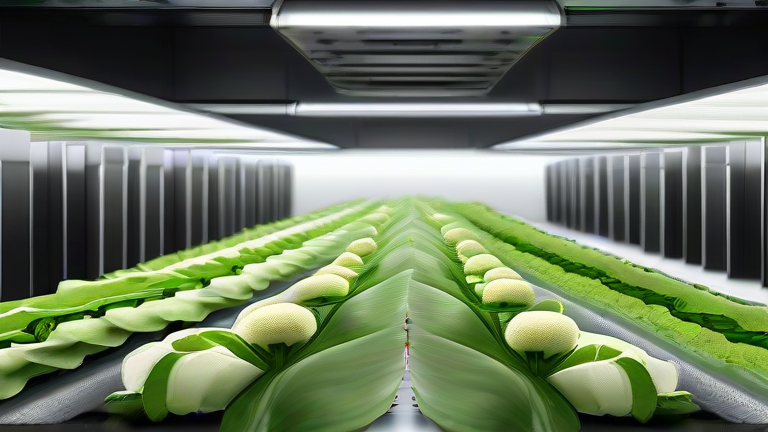
Vertical Farming: The New Urban Infrastructure Standard

As global urbanization accelerates, the traditional model of rural agriculture is struggling to keep pace with the demands of metropolitan populations. The result is a paradigm shift in how we view food production, transforming it from a peripheral industry into a critical component of city planning. Vertical farming, once considered a niche experiment, is rapidly evolving into a new urban infrastructure standard, integrating seamlessly into the concrete jungle to provide resilience, sustainability, and food security.
The economic momentum behind this shift is undeniable. According to recent market analysis, the global vertical farming market size was valued at approximately $4.5 billion in 2023 and is projected to expand at a compound annual growth rate (CAGR) of over 24% through 2030. This explosive growth is not driven merely by technological novelty but by urgent economic necessities. With arable land shrinking and water scarcity becoming a global crisis, the efficiency of vertical farming offers a compelling value proposition. These systems use up to 95% less water than traditional farming and can produce yields up to 350 times higher per square foot, making them economically viable in high-density real estate markets.
Expert insights highlight that the true value of vertical farming lies in its ability to decouple food production from geographical constraints. Dr. Elena Rossi, a leading agronomist at the Institute for Sustainable Urban Systems, notes, “We are no longer just growing crops; we are engineering supply chains. By placing production centers within city limits, we eliminate the carbon footprint associated with long-haul transportation and reduce food waste, which currently accounts for nearly 30% of global food production.” This localized approach ensures fresher produce for consumers while stabilizing prices against the volatility of climate-induced crop failures.
Furthermore, the integration of vertical farms into urban architecture is creating new synergies between energy and food sectors. Many modern facilities utilize renewable energy sources, such as solar panels and waste-heat recovery systems