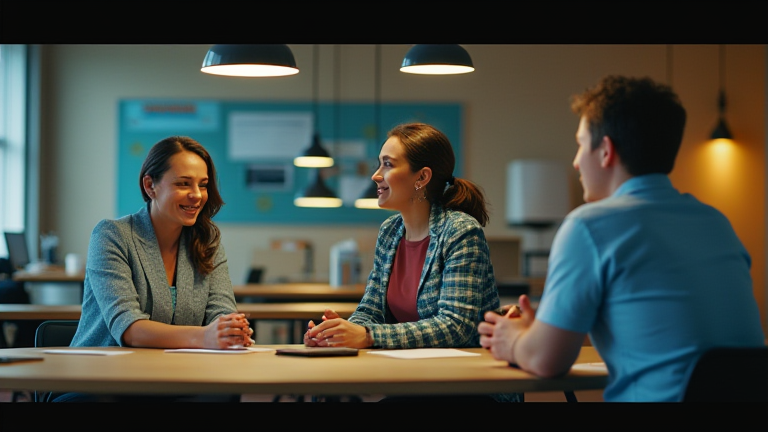
TL;DR: The most valuable AI skill in 2026 is mastering the art of strategic disengagement, recognizing precisely when human intuition, empathy, and authentic presence outweigh algorithmic efficiency. By curating moments where technology recedes, individuals reclaim agency over their experiences, ensuring that convenience never erodes the depth of genuine connection or personal growth.
The Silence Between Algorithms
In the early days of artificial intelligence, the narrative was dominated by speed and scale. We celebrated the ability to generate a travel itinerary in seconds or draft a perfect dinner reservation email in milliseconds. However, as we move through 2026, the cultural pendulum has swung decisively toward mindfulness and authenticity. The new luxury is not what AI can do for you, but what you choose to do without it. The top skill is no longer prompt engineering; it is the discernment to know when to put the device away entirely.
If you want to dig deeper, check out our guide on How to Sleep on a 14-Hour Flight: Economy Class Tips.
Consider the realm of travel. For years, algorithmic guides promised the perfect route, optimizing for time and cost. Yet, the most profound travel memories often stem from the unplanned detour. When you rely solely on an AI to curate your journey, you strip away the serendipity of getting lost in a foreign city. You miss the hidden café recommended by a local bartender because you were too busy checking the next optimized waypoint. Knowing when not to use AI means allowing yourself the luxury of being unguided. It means wandering without a digital map, trusting your instincts to lead you to places that no dataset could have predicted. This disconnection is not a failure of planning; it is an act of deep immersion.
Similarly, in the culinary world, the pressure to digitize every dining experience has reached a tipping point. Social media algorithms encourage us to photograph our meals before tasting them, turning food into content rather than sustenance. In 2026, the conscious diner understands that the first bite is a private moment between the eater and the chef. Using AI to analyze the flavor profile or nutritional content while chewing breaks the sensory loop. The skill lies in silencing the notification, ignoring the urge to fact-check the dish, and simply experiencing the texture and taste. This mindful eating fosters a deeper appreciation for craftsmanship and origin, reconnecting us with the agricultural and cultural roots of our food.
Personal growth offers perhaps the most critical arena for this practice. We have become accustomed to outsourcing our introspection to chatbots. While AI can offer perspective, it cannot replicate the messy, non-linear process of human self-discovery. Reading an AI’s summary of a complex emotional dilemma is not the same as sitting with the discomfort of that emotion. Knowing when not to use AI means resisting the urge to quickly “solve” feelings with generated advice. It means embracing the silence of journaling by hand, the slow pace of meditation, and the awkward, unoptimized conversations with friends. These unmediated moments build resilience and emotional intelligence in ways that efficiency never can.
Ultimately, the goal is not to reject technology but to integrate it with intention. AI should be a tool for the mundane, freeing up mental space for the meaningful. When you recognize that a task does not require human touch, let the algorithm handle it. But when the moment demands presence, empathy, or creativity, step back. This selective disengagement is the hallmark of a balanced, fulfilling life in a hyper-connected world. It is the reminder that while AI can simulate conversation, it cannot replace the warmth of a hand held or the joy of a shared silence.
FAQ
Q: How can I identify when I should stop using AI for personal tasks?
A: Look for moments where efficiency might compromise emotional depth or authenticity, such as composing heartfelt messages, planning spontaneous travel, or engaging in deep introspection.
Q: Does ignoring AI mean I am being unproductive in 2026?
A: No, strategic disengagement enhances productivity by preserving mental energy for high-value creative and emotional work, preventing the burnout associated with constant digital optimization.
Q: What are some practical examples of using AI only for mundane tasks?<br