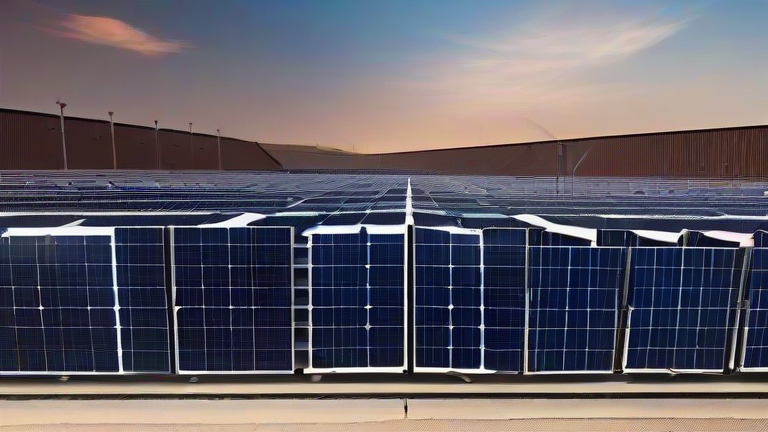
Clean Energy Storage: Ensuring 24/7 Solar Reliability
Transitioning to solar power is a significant step toward sustainable living, but true energy independence requires more than just panels. The sun does not shine at night, and clouds can obscure production during the day. To achieve genuine 24/7 reliability, you must integrate robust clean energy storage solutions into your system. This guide provides essential steps and practical tips to ensure your home remains powered continuously, regardless of external weather conditions or grid fluctuations.

Step 1: Assess Your Energy Consumption
Before purchasing any hardware, you must understand your energy profile. Review your past electricity bills to determine your average daily kilowatt-hour (kWh) usage. Identify peak usage times, such as mornings for coffee makers and evenings for lighting and appliances. This data is critical because it dictates the size of the battery bank you need. A system that is too small will leave you vulnerable during low-production periods, while an oversized system wastes capital. Aim for a battery capacity that covers at least 80% of your nightly usage to ensure comfort and reliability.
If you want to dig deeper, check out our guide on Top 10 Tech Trends Shaping 2024: What You Need to Know.
Step 2: Choose the Right Battery Technology
Not all batteries are created equal. Lithium-ion batteries, particularly Lithium Iron Phosphate (LFP), are currently the gold standard for residential storage due to their high efficiency, long cycle life, and safety features. While lead-acid batteries are cheaper upfront, they degrade faster and require more maintenance. When selecting a unit, check the depth of discharge (DoD). A higher DoD means you can use more of the battery’s stored energy without damaging it. Look for systems with a DoD of 90% or higher to maximize utility.

Step 3: Professional Installation and Integration
Solar storage is not a DIY project for most homeowners. Hiring a certified installer ensures that your system meets local electrical codes and safety standards. The installer will connect your battery to your inverter, creating a seamless transition between grid power