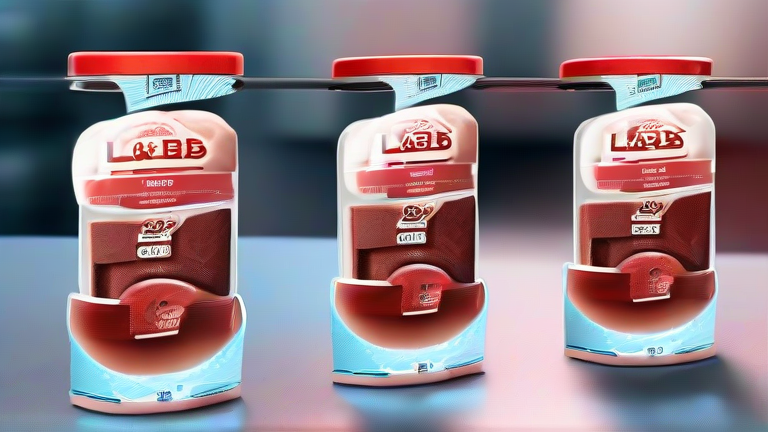
Lab-Grown Meat Hits Mainstream Grocery Aisles
For years, the concept of meat cultivated from animal cells in a laboratory felt like a distant sci-fi fantasy, relegated to exclusive culinary experiments and skeptical news segments. However, the landscape of sustainable food production has shifted dramatically. Today, lab-grown meat, also known as cultivated meat, is finally breaking through the barrier of novelty and entering mainstream grocery aisles. This transition marks a pivotal moment in the evolution of global food systems, offering consumers a tangible way to engage with the future of protein consumption. The arrival of these products on supermarket shelves is not just a marketing stunt; it represents a significant technological and ethical milestone.
Feature Highlights: Taste, Texture, and Ethics
The primary allure of cultivated meat lies in its ability to mimic the sensory experience of traditional animal agriculture without the associated biological costs. Manufacturers have invested heavily in bioreactor technology to ensure that the cellular structure mimics real muscle tissue, resulting in a product that offers a familiar chew and rich umami flavor profile. Early testers report that the taste is virtually indistinguishable from conventional beef, chicken, and pork, particularly when seasoned and cooked properly. Beyond flavor, the ethical implications are profound. By eliminating the need to raise and slaughter billions of animals annually, this technology addresses major concerns regarding animal welfare. Furthermore, the environmental footprint is significantly reduced. Cultivated meat requires a fraction of the land and water compared to traditional farming and produces substantially lower greenhouse gas emissions, making it a compelling choice for eco-conscious shoppers.
If you want to dig deeper, check out our guide on Climate Tech Funds Hit Record $100B: Key Insights.
Comparison: Traditional vs. Cultivated

When comparing lab-grown meat to traditional options, the differences are stark. Traditional meat production is resource-intensive, contributing heavily to deforestation, water scarcity, and carbon emissions. In contrast, cultivated meat is produced in controlled environments, drastically reducing waste and resource consumption. While the price point remains higher than conventional meat due to current production scales, it is rapidly becoming more competitive. Health-wise, cultivated meat offers the potential for customization; producers can