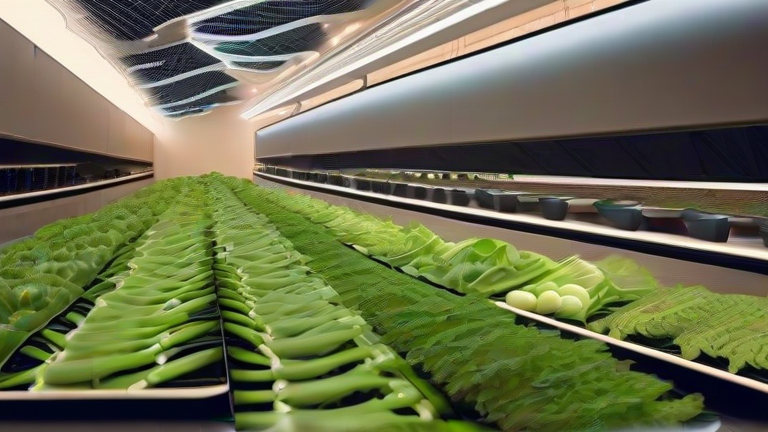
Vertical Farming Cuts Urban Food Miles & Boosts Sustainability

The modern urbanite faces a paradox: we live in dense cities surrounded by fresh produce, yet the journey from farm to fork has never been longer. Traditional agriculture requires vast tracts of land, significant water resources, and long-distance transportation that contributes heavily to carbon emissions. Enter vertical farming, a revolutionary agricultural method that is reshaping how we think about food sustainability and personal health. By stacking crops in controlled environments, often within city limits, vertical farming drastically reduces “food miles,” ensuring that what you eat is not only fresher but also significantly more nutritious.
Scientific research highlights a direct correlation between food miles and nutrient degradation. Studies published in the Journal of Agricultural and Food Chemistry indicate that vitamins like vitamin C and antioxidants begin to degrade shortly after harvest. In conventional supply chains, produce may spend days, sometimes weeks, in transit and storage. Vertical farming eliminates this delay. Because these facilities are frequently located in urban centers, the time between harvest and consumption is reduced to mere hours. This immediacy means your salad greens arrive with higher bioavailability of essential nutrients, supporting better immune function and cellular health.

Beyond nutrition, the environmental benefits are profound. Traditional farming accounts for a significant portion of global freshwater usage. In contrast, vertical farms utilize hydroponic or aeroponic systems that recirculate water, using up to 95% less water than conventional field farming. Furthermore, because these farms operate indoors, they eliminate the need for chemical pesticides and herbicides. For individuals concerned with endocrine disruptors and long-term health impacts of pesticide residues, vertical farming offers a cleaner, safer alternative. You can trust that the leafy greens and herbs you purchase are free from harmful chemical residues, reducing your body’s toxic load.
Adopting the ethos of vertical farming into your daily lifestyle does not require you to build a farm in your apartment. However, you can make choices that align with this sustainable model