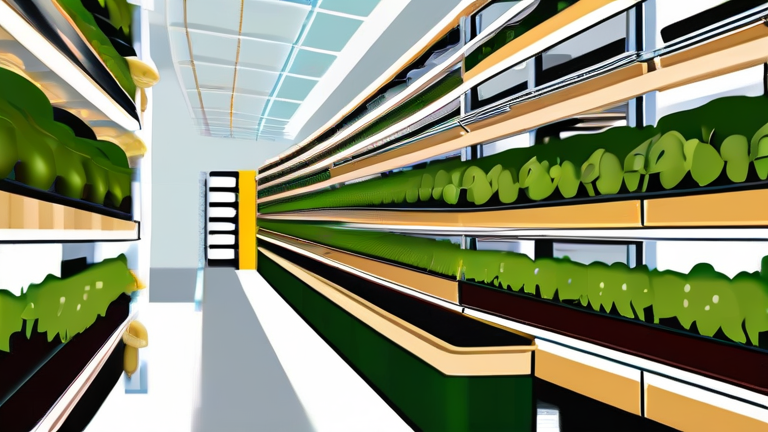
How Vertical Farming Cuts Urban Food Miles
The traditional supply chain for fresh produce is broken. In many major metropolitan areas, the average distance a head of lettuce travels from farm to fork exceeds two thousand miles. This logistical burden not only inflates consumer prices but also contributes significantly to carbon emissions and post-harvest nutrient degradation. Vertical farming emerges as a revolutionary solution, fundamentally reshaping the agricultural landscape by bringing production directly into the heart of urban centers. By utilizing stacked layers in controlled environments, this method drastically reduces “food miles” to near zero, offering a sustainable alternative to conventional agriculture.

If you want to dig deeper, check out our guide on Top 10 Health Tips for a Longer, Happier Life.
Market analysis indicates that the global vertical farming sector is poised for exponential growth, driven by increasing urbanization and climate instability. According to recent industry reports, the market is projected to reach billions of dollars by the end of the decade. Investors are increasingly drawn to companies that prioritize local production because it mitigates the risks associated with long-distance transportation, such as spoilage, labor shortages, and geopolitical disruptions. Furthermore, consumers are becoming more environmentally conscious, actively seeking out locally sourced produce with a smaller carbon footprint. This shift in consumer behavior creates a fertile ground for vertical farms to capture market share, particularly in high-density cities where land is scarce but demand for fresh greens is immense.
Strategic implementation of vertical farming requires a nuanced approach to technology and operations. Successful businesses integrate advanced hydroponic or aeroponic systems with artificial intelligence to optimize light, water, and nutrient delivery. This precision agriculture ensures maximum yield per square foot while minimizing resource waste. A key strategic insight is the focus on high-value, fast-growing crops such as leafy greens, herbs, and microgreens. These crops have short growth cycles, allowing for multiple harvests per year, which improves cash flow and reduces the time products sit in transit. Additionally, partnerships with local restaurants and grocery chains are essential. By establishing direct-to-consumer channels, vertical farmers can bypass traditional wholesalers, ensuring fresher products reach shelves faster while maintaining healthier profit margins.
Remote Work Mandates Shift to Flexible Hybrid Models