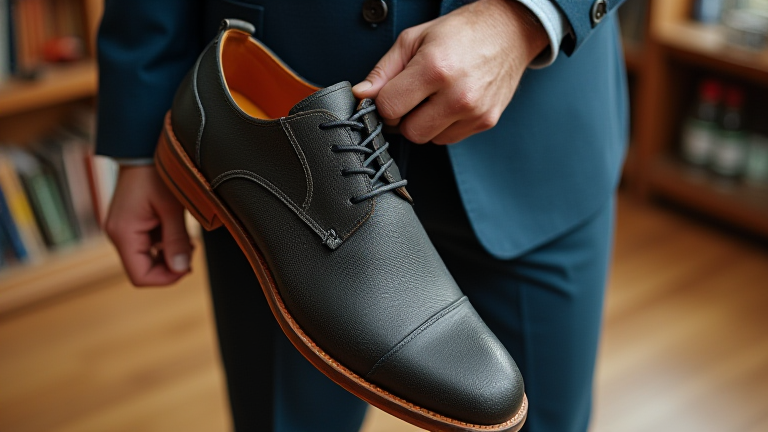
TL;DR: Investing in high-quality cordovan leather dress shoes offers superior durability and comfort, reducing foot fatigue and promoting better posture over time. While the initial cost is significant, the long-term health benefits and cost-per-wear ratio make them a wise choice for professionals seeking both style and physical well-being.
The Anatomy of Comfort: Why Cordovan Matters
When we discuss foot health, we often overlook the foundation of our daily movement: our shoes. Most people prioritize aesthetics over biomechanics, leading to chronic issues like plantar fasciitis, bunions, and lower back pain. Enter cordovan leather, a material derived from the fibrous flat muscle under the hide of a horse’s rump. Unlike standard cowhide, cordovan is non-porous, incredibly dense, and develops a unique sheen over time. This density provides exceptional structural support, crucial for maintaining proper foot alignment throughout the workday.
From a physiological perspective, the rigidity of high-quality cordovan prevents the shoe from collapsing under your weight. This stability reduces the micro-movements within the shoe that can lead to friction blisters and toe deformities. Furthermore, because cordovan is often hand-stitched and Goodyear welted, it allows for resoling. This means the shoe can be rebuilt rather than discarded, ensuring that the break-in period—where the leather molds to your specific foot contours—lasts for years, not months.
Health Benefits of a Proper Fit
Investing in a $200 pair, or even more, is not just about fashion; it is about preventative healthcare. Poorly fitted shoes force the body to compensate. For instance, shoes with narrow toe boxes compress the toes, leading to hammertoes and neuromas. Cordovan dress shoes, particularly those from reputable makers, offer a roomier toe box that allows natural splay. This natural splay is essential for balance and proprioception, reducing the risk of falls, especially as we age.
Moreover, the breathability of natural leather, despite cordovan’s density, is superior to synthetic alternatives. Synthetic materials trap heat and moisture, creating an environment conducive to fungal infections like athlete’s foot. By allowing air circulation, leather helps maintain a healthy skin barrier on your feet. Additionally, the elevated heel counter in quality dress shoes provides ankle support, stabilizing the foot during the gait cycle. This stability translates to reduced strain on the knees and hips, creating a kinetic chain benefit that extends far beyond the feet.
Lifestyle Tips for Longevity and Wellness
To maximize the health benefits of your investment, proper care is non-negotiable. Start by using cedar shoe trees immediately after wearing. Cedar absorbs moisture, preventing the leather from warping and inhibiting bacterial growth. Rotate your shoes; never wear the same pair two days in a row. This allows the materials to dry out and recover their shape, reducing the risk of moisture-related skin issues.
Consider incorporating foot-strengthening exercises into your routine. Even with the best shoes, weak intrinsic foot muscles can lead to injury. Exercises like toe curls and marble pickups can enhance foot articulation. Pair this with regular stretching of the calf muscles and Achilles tendon. Tight calves alter your gait, putting excess pressure on the forefoot. By combining high-quality footwear with mindful movement practices, you create a holistic approach to foot health.
Finally, listen to your body. If you feel pain, address it immediately. Ignoring minor discomfort can lead to significant biomechanical issues. Regular check-ups with a podiatrist can also provide personalized advice based on your unique foot structure. Remember, the goal is not just to look good but to move well. A $200 investment in cordovan is an investment in your mobility, comfort, and overall quality of life.
FAQ
Q: Are cordovan shoes suitable for all-day wear?
A: Yes, once properly broken in, cordovan shoes provide excellent support and comfort for extended periods, reducing foot fatigue compared to synthetic alternatives.
If you want to dig deeper, check out our guide on Top 10 Tech Trends Shaping 2024: What You Need to Know.
Q: How long does it take to break in cordovan leather?
A: Break-in periods vary, but typically take two to four weeks of regular wear