
Real-Time Biometrics in Global Mental Health Apps
The landscape of mental healthcare is undergoing a profound transformation, moving away from reactive crisis management toward proactive, continuous well-being monitoring. At the forefront of this shift is the integration of real-time biometric data into global mental health applications. By leveraging wearable technology and smartphone sensors, these platforms can now detect subtle physiological changes that often precede psychological distress. This convergence of data science and psychology offers a promising avenue for early intervention, allowing individuals to manage their mental health with unprecedented precision and personalization.
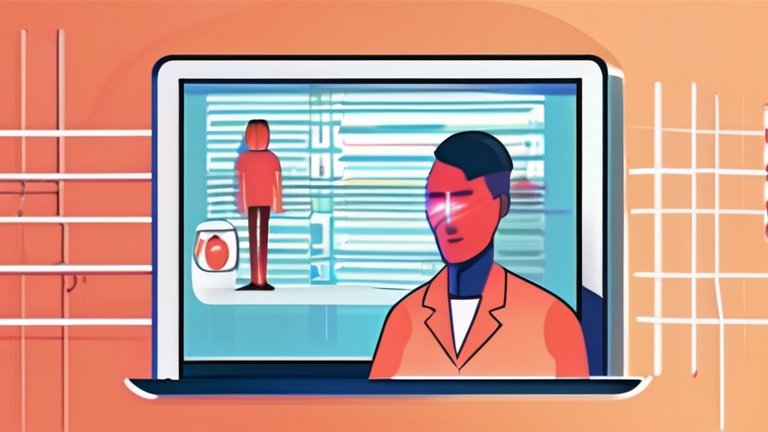
Recent scientific studies have validated the correlation between physiological markers and emotional states. Heart rate variability (HRV), for instance, serves as a robust indicator of autonomic nervous system balance. Low HRV is frequently associated with heightened stress, anxiety, and depressive episodes. Similarly, sleep architecture analysis provided by wearables can reveal patterns of restlessness or fragmented sleep, which are critical precursors to mood disorders. When mental health apps process this data in real time, they can offer immediate, context-aware interventions. For example, if an app detects a sudden spike in heart rate and galvanic skin response during a workday, it might prompt the user to engage in a brief breathing exercise or mindfulness meditation before stress levels escalate.
If you want to dig deeper, check out our guide on Top 10 Tech Trends Shaping the Future in 2024.
Beyond immediate alerts, the long-term accumulation of biometric data enables users to identify personal triggers and patterns. This self-knowledge is empowering, fostering a sense of agency over one’s mental well-being. Users can correlate specific environmental factors, such as high noise levels or late-night screen time, with subsequent dips in mood or energy. This insight allows for the adjustment of daily habits to prevent burnout. For instance, recognizing that social interactions significantly drain one’s biometric reserves might lead to scheduling more solitary recharge time, thereby maintaining a healthier equilibrium.
To maximize the benefits of these technologies, experts recommend a holistic approach. While biometric data provides valuable objective metrics, it should complement, not replace, professional therapy and self-reflection. Users are advised to maintain a consistent sleep schedule, engage in regular physical activity, and practice digital detoxification to ensure data accuracy. Additionally