Week-Long Orbital Hotel Experiences: The Future of Space Tourism
For decades, the concept of staying in orbit was the exclusive domain of government astronauts and billionaire visionaries. Today, that barrier is crumbling, giving rise to a new era of commercial space tourism. The headline feature of this revolution is not just the journey, but the destination: a week-long stay in a luxury orbital hotel. This is no longer science fiction; it is the next frontier of high-end lifestyle travel, promising a profound shift in how we perceive our place in the universe.
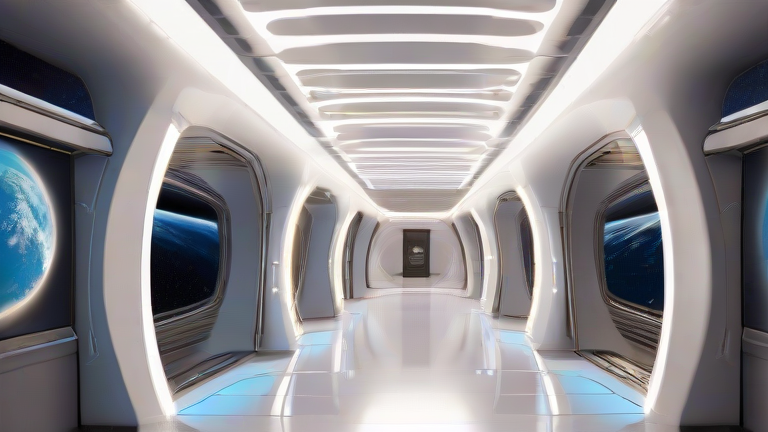
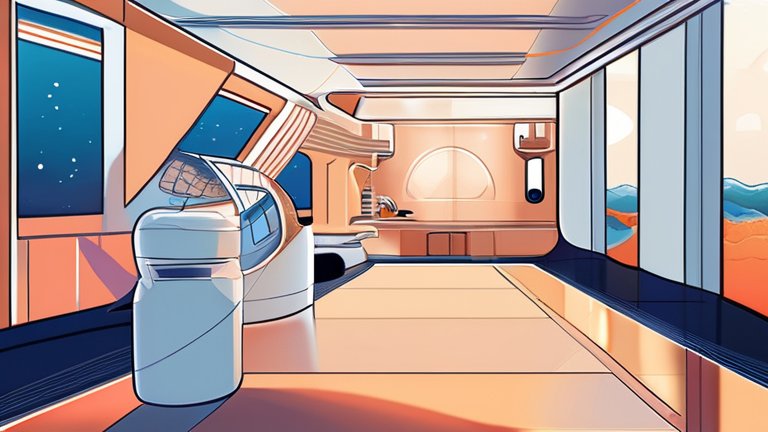
The experience begins long before launch. Modern space hotels focus heavily on preparation and wellness, treating the trip as a holistic retreat. Upon arrival, guests are greeted not by sterile, utilitarian corridors, but by warm, ambient lighting and modular living spaces designed for comfort in microgravity. The architecture adapts to the environment, with soft-touch surfaces and magnetic footrests that allow for a sense of stability and normalcy. This attention to detail ensures that the transition from Earth to orbit is not jarring, but rather a seamless extension of a luxury hotel experience.
Culinary arts in space present a unique challenge and opportunity. Traditional cooking methods are impossible, so chefs have developed innovative techniques to create gourmet meals that are both nutritious and flavorful. Imagine savoring a carefully crafted soup, served in a specialized pouch that allows for easy consumption without crumbs. The menu often incorporates Earth-grown herbs and spices, providing a comforting link to home while introducing novel textures and tastes. Dining becomes a communal event, with guests floating together in a central atrium, sharing stories against the backdrop of the rotating Earth below. This shared experience fosters a sense of camaraderie and cultural exchange among travelers from diverse backgrounds.
Beyond the dining room, the week-long itinerary is designed for personal growth and introspection. The “Overview Effect,” a cognitive shift reported by astronauts when viewing