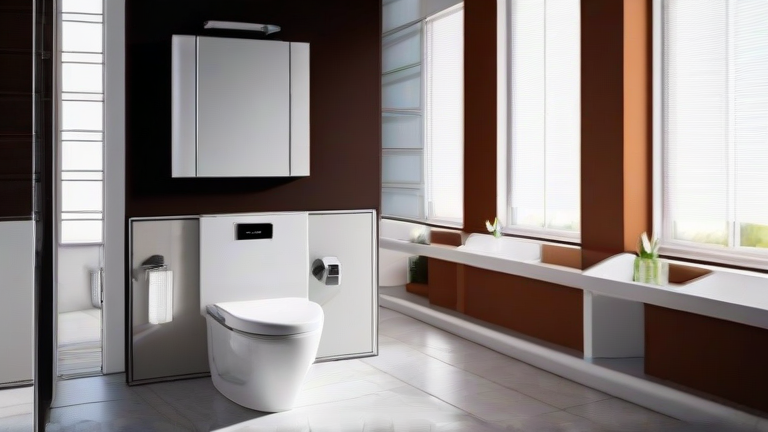
TL;DR: Consumers invest in high-end toilets because they perceive them as essential investments in health, hygiene, and long-term home value rather than mere utilitarian fixtures. The premium price point is justified by advanced technological features, superior ergonomic design, and the psychological satisfaction of owning luxury bathroom amenities that enhance daily comfort.
The Shift in Consumer Psychology
The bathroom industry has undergone a significant transformation, moving away from viewing toilets as simple plumbing necessities to recognizing them as critical components of personal wellness and interior design. This shift is driven by a growing consumer desire for spa-like experiences within the home. Modern buyers are no longer satisfied with basic functionality; they seek integrated solutions that offer bidet functions, heated seats, automatic lids, and advanced air purification systems. This demand is particularly strong among millennials and Generation Z, who prioritize hygiene and sustainability. They understand that high-end models often use less water per flush while providing a more sanitary experience through self-cleaning technologies and UV sterilization. Consequently, the perceived value extends beyond the porcelain itself, encompassing the holistic bathroom experience that these devices provide.
Market Analysis and Economic Trends
The global smart toilet market is experiencing robust growth, projected to expand significantly over the next decade. Analysts attribute this surge to rising disposable incomes in emerging markets and the widespread adoption of smart home ecosystems in developed regions. Unlike traditional fixtures, high-end toilets serve as entry points for broader smart home integration, allowing users to control lighting, temperature, and cleaning cycles via smartphone apps. This connectivity creates a sticky ecosystem where users are less likely to switch brands once they have invested in the associated digital infrastructure. Furthermore, the real estate market plays a crucial role. Luxury home sales often feature high-end bathroom fixtures as standard inclusions, driving demand from both developers and individual homeowners looking to increase property valuation. The trend indicates that bathrooms are becoming the second most expensive room in many modern homes, rivaling kitchens in terms of renovation budgets.
Strategic Insights for Manufacturers
For manufacturers, the key to capturing this market lies in education and seamless integration. Marketing strategies must focus on the long-term cost savings and health benefits rather than just the initial purchase price. Companies are increasingly partnering with interior designers and architects to ensure their products fit seamlessly into contemporary design aesthetics. By positioning their toilets as lifestyle enhancers rather than just appliances, brands can command higher price points. Additionally, offering flexible financing options helps mitigate the barrier of high upfront costs, making luxury accessible to a broader demographic. Successful companies also emphasize customer support and installation services, recognizing that the complexity of smart devices can deter potential buyers if not handled professionally.
Case Studies in Innovation
Consider the success of TOTO’s Washlet line, which pioneered the integration of bidet technology into standard toilet designs in the Western market. By focusing on hygiene and comfort, they created a loyal customer base willing to pay a premium for reliability and innovation. Similarly, Kohler’s Veil series has capitalized on minimalist design, appealing to modern architectural trends where hidden tanks and sleek profiles are highly prized. These brands demonstrate that combining aesthetic appeal with functional superiority drives sales. Another notable example is the rise of Chinese brands like Villeroy & Boch, which have expanded globally by offering high-quality ceramic products with smart features at competitive prices, disrupting the traditional European dominance in the luxury segment.
FAQ
Q: Are high-end toilets worth the investment?
A: Yes, for many consumers, they are worth it due to improved hygiene, water efficiency, and the added comfort features that enhance daily living.
If you want to dig deeper, check out our guide on 10 Science-Backed Health Tips for a Longer Life.
Q: Do smart toilets increase home value?
A: While not always appraised separately, luxury bathroom fixtures are a strong selling point that can attract buyers in the premium real estate market.
Q: What is the average cost of a high-end toilet?
A: Prices typically range from $1,500 to over $5,000, depending on the brand, features, and level of smart technology integration.