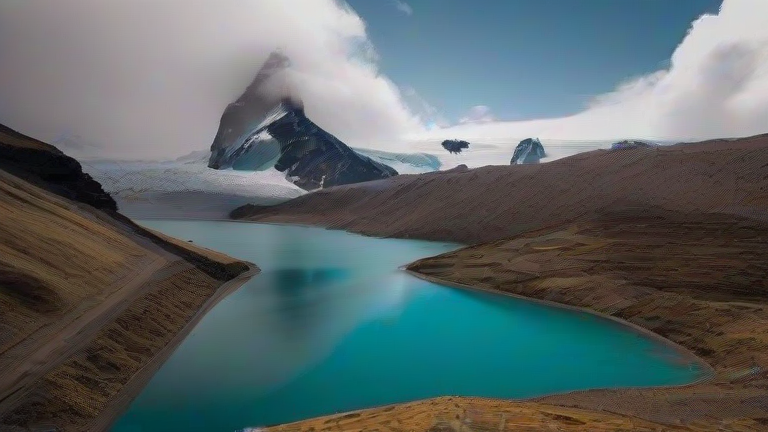
TL;DR: This guide outlines a strategic 3.5-month itinerary combining the vibrant cultures of Latin America with the pristine wilderness of Antarctica. By optimizing flight connections and booking expeditions early, you can maximize your experience while managing budget and logistics effectively.
Phase 1: The Latin American Foundation
Your journey begins in the diverse landscapes of Latin America, which serves as both a cultural warm-up and a logistical hub for your Antarctic departure. Start by landing in Buenos Aires, Argentina, where you can acclimate to the Southern Hemisphere’s climate. Spend two weeks exploring the city’s European-inspired architecture, tango halls, and world-class steakhouses. From there, take a short flight to Patagonia, specifically El Calafate, to witness the majestic Perito Moreno Glacier. This region offers stunning hikes and serves as a crucial geographical bridge to the southern tip of the continent. After Patagonia, fly north to Santiago, Chile, for a brief transit stop. This leg of the trip allows you to adjust to time zone changes and ensures your body is ready for the intense cold of Antarctica. Budget approximately three weeks for this section, allowing ample time for travel delays and spontaneous adventures. Book domestic flights in advance to secure better rates, and prioritize accommodations with kitchen facilities to save on dining costs. Engage with local hosts through community platforms to gain authentic insights into regional customs and safety practices.
If you want to dig deeper, check out our guide on Kickbacks from Chinese Suppliers? How to Spot Them Early.
Phase 2: The Antarctic Expedition
The core of your adventure is the expedition to Antarctica, which typically departs from Ushuaia, Argentina, the southernmost city in the world. You must book your cruise or expedition ship at least six to twelve months in advance, as cabins fill up quickly. Choose a vessel that aligns with your budget and comfort level, ranging from luxury icebreakers to more rugged adventure ships. The journey usually lasts between ten to twelve days, navigating the Drake Passage, known for its rough seas. Prepare thoroughly by packing high-quality thermal layers, waterproof gear, and waterproof camera bags. Join the onboard lectures and activities to maximize your educational experience. Zodiac cruising is a highlight, offering close-up views of glaciers, whales, and penguin colonies. Follow the guidelines of the International Association of Antarctic Tour Operators strictly to protect the fragile ecosystem. Maintain flexibility in your schedule, as weather conditions can alter itineraries. Keep a travel journal to document the unique wildlife and landscapes you encounter. This phase requires physical fitness and mental resilience, so ensure you are prepared for potential seasickness and isolation.
Phase 3: Return and Reflection
After returning from Antarctica, you will likely be back in Ushuaia or Buenos Aires. Use the remaining weeks of your 3.5-month trip to explore other parts of South America or return to favorite destinations. Consider visiting the Atacama Desert in Chile for a stark contrast to the icy Antarctic terrain. This period is ideal for processing your experiences, catching up on rest, and handling administrative tasks like visa extensions or banking issues. Ensure you have comprehensive travel insurance that covers medical evacuation and trip cancellation. Keep digital and physical copies of all important documents. Share your stories with fellow travelers to build connections and exchange tips. Conclude your journey with a sense of accomplishment and a deeper understanding of global conservation efforts. Reflect on how this trip has changed your perspective on nature and travel. Plan your return home with enough buffer time to adjust back to your daily routine. This guide provides a framework, but remember to adapt to your personal interests and energy levels.
FAQ
Q: How much does a solo trip to Antarctica cost?
A: Costs vary significantly, but expect to spend between $5,000 and $15,000 for the expedition itself, excluding flights and Latin American travel expenses.
Q: Is it safe for a first-time solo traveler?
A: Yes, expedition cruises are generally very safe, with professional crews and guides ensuring passenger safety throughout the journey.
Q: What is the best time to visit Antarctica?
A: The Antarctic summer season, from November to March, offers the most accessible conditions and wildlife activity