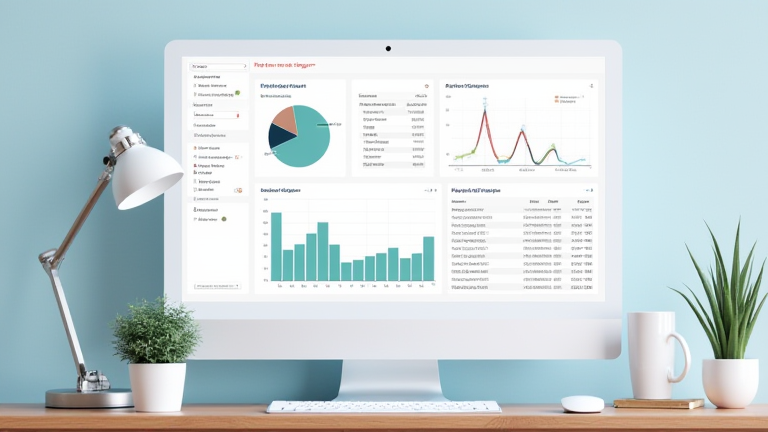
TL;DR: BigCommerce sales data dashboards transform raw transactional data into actionable strategic insights, enabling merchants to identify growth opportunities and optimize conversion rates. By leveraging real-time analytics, businesses can significantly boost revenue through targeted marketing, inventory management, and personalized customer experiences.
The Power of Data-Driven Decision Making
In the highly competitive e-commerce landscape, relying on intuition is no longer a viable strategy. Modern merchants must harness the full potential of their sales data to stay ahead. BigCommerce provides robust, native analytics tools that allow businesses to track performance metrics in real-time. These dashboards serve as the central nervous system of an online store, aggregating data from sales, inventory, customer behavior, and marketing campaigns into a unified view. This consolidation eliminates data silos, allowing for a holistic understanding of business health. For instance, understanding the correlation between traffic sources and average order value can reveal which marketing channels are truly profitable, not just popular.
If you want to dig deeper, check out our guide on Buyitforlife: Your Favourite Things Made in Canada.
Strategic Insights for Revenue Growth
Effective use of BigCommerce dashboards requires a strategic approach. First, focus on key performance indicators (KPIs) that directly impact the bottom line. Metrics such as customer lifetime value (CLV), cart abandonment rate, and conversion rate by device are critical. By segmenting data by customer demographics or geographic location, businesses can tailor their marketing efforts more effectively. For example, if data shows that mobile users have a higher bounce rate, the strategy should pivot toward mobile optimization. Additionally, integrating third-party analytics tools like Google Analytics 4 with BigCommerce can provide deeper attribution modeling. This allows merchants to understand the full customer journey, from initial ad click to final purchase. Inventory management is another crucial area; dashboards can predict stockouts based on sales trends, ensuring that high-demand products are always available, thus preventing lost revenue opportunities.
Case Study: Success Through Analytics
Consider the case of “EcoStyle,” a sustainable fashion retailer using BigCommerce. Initially, EcoStyle struggled with high customer acquisition costs and low retention rates. By implementing comprehensive sales data dashboards, they identified that their highest-converting customers came from email marketing campaigns targeting repeat buyers. Armed with this insight, they shifted their budget from broad social media ads to personalized email flows. Within six months, their retention rate increased by forty percent, and overall revenue grew by twenty-five percent. This case highlights how specific, data-driven adjustments can yield significant financial results. Another example is “TechGear,” which used dashboard insights to optimize their checkout process. By analyzing drop-off points at each step, they simplified the form fields and added multiple payment options. This small change resulted in a fifteen percent increase in conversion rates, demonstrating the tangible impact of granular data analysis.
FAQ
Q: How often should I review my BigCommerce sales data?
A: You should review key metrics daily for operational adjustments, weekly for tactical changes, and monthly for strategic planning to ensure consistent performance monitoring.
Q: Can I integrate third-party tools with BigCommerce dashboards?
A: Yes, BigCommerce supports integrations with popular analytics platforms like Google Analytics, Klaviyo, and Power BI, allowing for enhanced data visualization and deeper insights.
Q: What are the most important KPIs to track on a sales dashboard?
A: The most critical KPIs include conversion rate, average order value, customer acquisition cost, cart abandonment rate, and customer lifetime value, as these directly reflect revenue health.