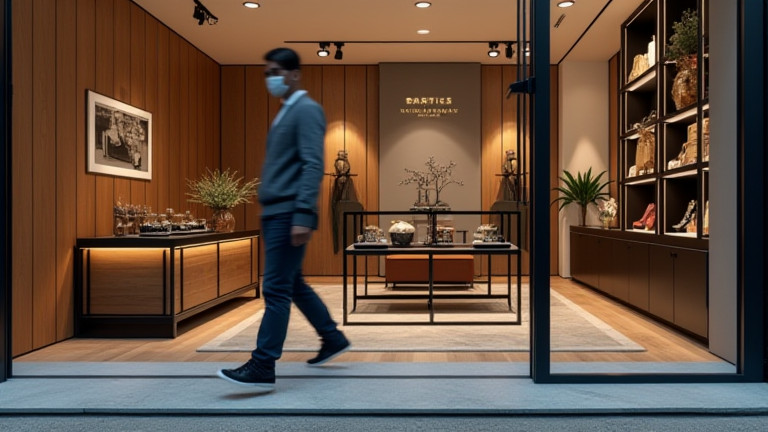
TL;DR: While few heritage luxury houses operate with absolutely zero physical presence, several digital-native brands have successfully built billion-dollar empires without traditional brick-and-mortar stores. These entities leverage direct-to-consumer models, immersive digital experiences, and exclusive community building to bypass the high overhead costs associated with flagship retail locations.
The Digital Luxury Paradigm
The luxury sector has traditionally been defined by tangible experiences: the smell of leather in a boutique, the haptic feedback of high-quality materials, and the personalized service of a concierge. However, a new wave of luxury brands is challenging this paradigm by operating exclusively online. This shift is not merely a reaction to pandemic-era constraints but a strategic evolution driven by changing consumer behaviors, particularly among younger demographics who prioritize convenience, transparency, and digital authenticity.
Market Analysis and Strategic Insights
The rise of online-only luxury brands represents a significant disruption in the market. Traditional luxury giants rely on physical stores as marketing tools and brand temples, often selling at a loss to maintain brand equity. In contrast, digital-native brands achieve profitability through leaner operational models. By eliminating rent, utilities, and extensive staffing costs associated with physical locations, these brands can reinvest savings into product quality, customer acquisition, and technological innovation.
A key strategic insight is the concept of “scarcity through digital access.” Instead of geographic exclusivity, these brands create demand through limited online drops, waitlists, and exclusive membership tiers. This approach mirrors the hype-building tactics of streetwear brands like Supreme, applying them to high-end fashion and accessories. Furthermore, data analytics play a crucial role. Online-only brands possess granular visibility into customer behavior, allowing for hyper-personalized marketing, dynamic pricing, and inventory management that minimizes waste and maximizes turnover.
Case Studies in Digital-Only Success
One prominent example is Mansur Gavriel. Founded in 2012, this brand gained instant cult status by selling exclusively online before eventually opening a few physical locations for pop-up events and flagship experiences. Their initial success was driven by a simple, elegant product design and a strong social media presence that resonated with fashion influencers. By avoiding the capital expenditure of retail space, they maintained high margins and rapid growth.
Another notable case is Everlane, which, while not exclusively “luxury” in the traditional high-price sense, operates with a luxury ethos of radical transparency and premium materials. They built their brand by educating consumers on supply chain ethics and cost breakdowns, fostering deep trust and loyalty without the need for physical storefronts. Their success demonstrates that modern luxury consumers value ethical storytelling and product integrity over location-based prestige.
Additionally, emerging brands like The Row, while eventually opening boutiques, initially built their entire reputation and client base through a strictly digital and appointment-only model. This exclusivity created an aura of mystery and desirability that translated into high sales volumes and a fiercely loyal clientele. These cases illustrate that physical presence is no longer a prerequisite for luxury status; rather, brand narrative and product excellence are the true drivers of value.
FAQ
Q: Are there any major heritage luxury brands that have no physical stores?
A: Most major heritage brands like Louis Vuitton or Gucci have extensive physical networks, but some newer, high-end digital-native brands operate exclusively online to maintain lower overhead and focus on direct customer relationships.
If you want to dig deeper, check out our guide on 10 Science-Backed Health Tips to Boost Your Energy Today.
Q: How do online-only luxury brands build trust without physical touchpoints?
A: They build trust through high-quality product photography, detailed material descriptions, transparent return policies, influencer partnerships, and exceptional customer service, often leveraging social proof and user-generated content.
Q: What are the primary advantages of an online-only luxury strategy?
A> The primary advantages include lower operational costs, access to global customers without geographic limitations, data-driven personalization, and the ability to quickly adapt to market trends through agile supply chains.