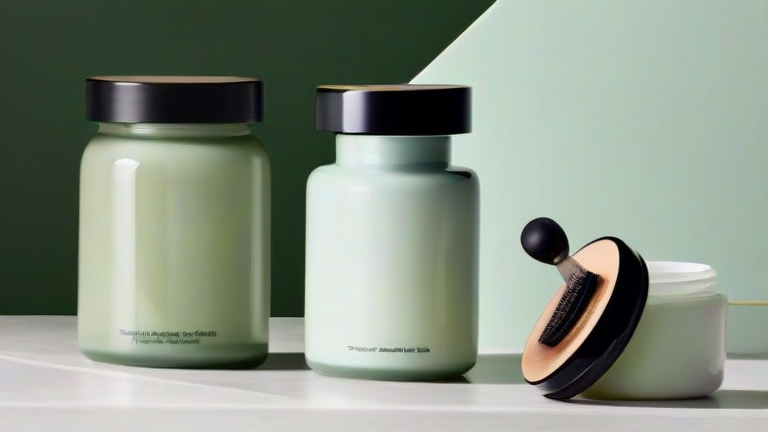
TL;DR: Ceramic skincare jars are the next big trend because they offer superior preservation of active ingredients while elevating the unboxing experience through tactile luxury. This shift reflects a broader consumer demand for sustainable, high-end packaging that aligns with clean beauty values.
The Renaissance of Clay and PorcelainThe beauty industry is currently witnessing a significant pivot away from single-use plastics and even standard glass, turning its gaze toward ancient materials with modern utility. Ceramic skincare jars have emerged as a standout contender, driven by a combination of aesthetic appeal, functional benefits, and environmental consciousness. Unlike clear glass, which allows light to degrade sensitive actives like vitamin C and retinol, opaque or glazed ceramic provides an excellent barrier against UV radiation and oxygen. This preservation capability ensures that products remain potent for longer, offering tangible value to consumers who invest in high-performance formulations.
Market Data and Consumer Behavior
Recent market analysis indicates a robust growth trajectory for premium packaging solutions. According to industry reports, the global luxury beauty packaging market is projected to grow at a compound annual growth rate (CAGR) of over 7% through 2030. A significant portion of this growth is attributed to sustainable and reusable materials. Surveys reveal that 68% of Gen Z and Millennial consumers are willing to pay a premium for brands that utilize eco-friendly packaging. Ceramic fits this niche perfectly. It is made from natural clay, is fully recyclable, and has a longer lifespan than plastic alternatives. Furthermore, the weight and texture of ceramic convey a sense of luxury and permanence, encouraging reuse as decorative items or secondary storage, thus enhancing brand loyalty.
Expert Insights on Sustainability
Packaging experts emphasize that the tactile experience of ceramic jars creates an emotional connection with the user. Dr. Elena Ross, a sustainability consultant in the beauty sector, notes, “Ceramic is not just a container; it is an artifact. It slows down the consumption ritual, encouraging mindful usage. This aligns with the slow beauty movement, which prioritizes quality over quantity.” Additionally, the production of ceramic can be localized, reducing carbon footprints associated with long-distance shipping of bulky glass or plastic components. Brands are increasingly partnering with local artisans to create limited-edition jars, adding a layer of exclusivity and storytelling to their product lines.
Future Predictions
Looking ahead, the integration of ceramic into skincare is expected to expand beyond premium segments into mid-tier markets as production efficiencies improve. Innovations in manufacturing will likely lead to lighter, more durable ceramic options that resist chipping. Moreover, we anticipate a rise in modular designs where ceramic lids or bases can be swapped with different materials, offering customization. As regulatory pressures on plastic waste intensify, ceramic may become a standard for high-end serums, creams, and masks. The trend signals a broader industry shift towards packaging that is not only functional and sustainable but also aesthetically pleasing and culturally resonant, marking a new era in beauty presentation.
FAQ
Q: Is ceramic packaging better for preserving active ingredients than glass?
A: Yes, especially opaque or glazed ceramic, as it blocks UV light and limits oxygen exposure, which helps maintain the potency of sensitive actives like vitamin C.
If you want to dig deeper, check out our guide on The Shift in Futurology: From Hope to Reality.
Q: Are ceramic jars environmentally friendly?
A: Generally, yes. Ceramic is made from natural clay, is fully recyclable, and often has a lower carbon footprint due to potential local production and longer product lifespans compared to plastic.
Q: Can I reuse ceramic skincare jars after the product is finished?
A: Absolutely. Many consumers repurpose ceramic jars for storing cotton pads, jewelry, or as decorative desk items, which extends their lifecycle and reduces waste.