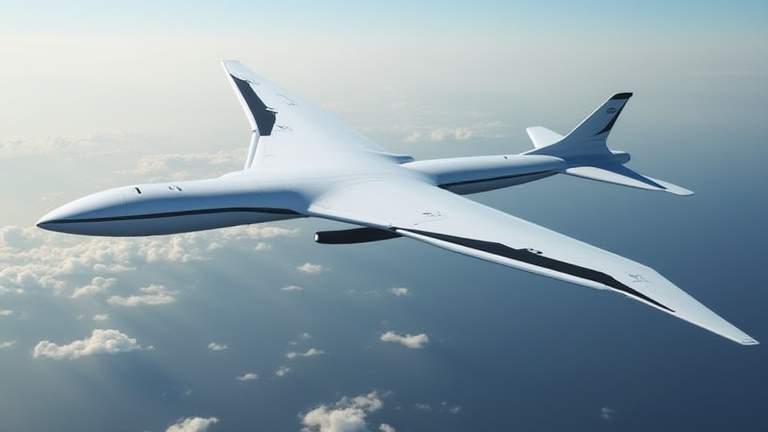
TL;DR: China’s development of an 800-passenger flying wing jet represents a pivotal leap in its ambition to dominate global aviation markets, challenging existing duopolies. This innovative design promises superior fuel efficiency and range, signaling a robust expansion of the nation’s aerospace manufacturing capabilities.
Understanding the Strategic Vision
The emergence of the 800-passenger flying wing aircraft marks a significant milestone in China’s aerospace industry. Unlike traditional tube-and-wing designs, this configuration integrates the fuselage into the wings, reducing drag and improving aerodynamic efficiency. For aviation enthusiasts and industry analysts, understanding this shift is crucial. The project aims to reduce operational costs for airlines while offering passengers a spacious, noise-reduced cabin environment. This technological leap is not merely about building a larger plane; it is about redefining the parameters of long-haul travel. By focusing on a massive capacity, China intends to capture a substantial share of the international market, which has long been dominated by Western manufacturers. The strategic importance of this initiative cannot be overstated, as it reflects a broader national goal of achieving self-reliance in high-tech manufacturing.
Key Technological Innovations
To achieve the desired performance metrics, engineers are employing advanced materials and computational fluid dynamics. The use of lightweight composites reduces the overall weight of the aircraft, allowing for greater payload capacity without compromising safety. Furthermore, the integration of next-generation engines is critical. These powerplants are designed to burn fuel more efficiently, significantly lowering carbon emissions. This aligns with global sustainability goals and appeals to environmentally conscious airlines. The flying wing design also requires sophisticated flight control systems to maintain stability, given the inherent aerodynamic challenges. Developers are leveraging artificial intelligence to optimize flight paths and enhance passenger comfort. These innovations collectively position the aircraft as a leader in eco-friendly aviation technology.
Steps to Monitor Progress
For stakeholders interested in tracking the development of this jet, several key steps are recommended. First, follow official announcements from major aerospace corporations involved in the project. These updates often provide insights into testing phases and regulatory approvals. Second, analyze industry reports from reputable aviation firms. These documents offer detailed comparisons with competing models and market predictions. Third, attend international aviation expos where prototypes or scale models may be displayed. Direct observation can provide a tangible sense of the aircraft’s scale and design features. Finally, engage with online communities of aviation experts. These forums often discuss technical specifications and potential impacts on global air travel networks.
Future Implications
The success of this project could reshape the global aviation landscape. It may force competitors to accelerate their own innovation efforts to maintain market share. Additionally, it could lead to new standards in aircraft design and efficiency. As the industry moves toward greener solutions, the flying wing concept may become a blueprint for future generations of commercial jets. The journey from concept to commercial service is complex, requiring rigorous testing and certification. However, the potential rewards are substantial. By embracing bold design choices, China is positioning itself at the forefront of aerospace innovation. This initiative underscores the importance of continuous investment in research and development. As the project progresses, it will serve as a testament to the power of strategic planning and technological ambition in the modern era.
FAQ
Q: What is a flying wing design?
A: It is an aircraft configuration where the fuselage is blended into the wings to reduce drag and improve fuel efficiency.
If you want to dig deeper, check out our guide on How to Use Apple Intelligence Features on iPhone 15 Pro Max.
Q: How many passengers can this new jet carry?
A: The aircraft is designed to accommodate up to 800 passengers, significantly larger than current standard wide-body jets.
Q: When will the aircraft enter commercial service?
A: While exact dates vary, widespread commercial operation is expected within the next decade following successful certification.