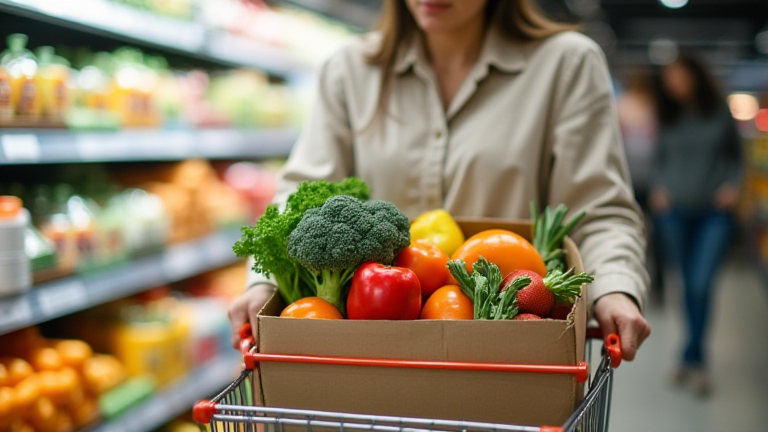
Grocery Guide: How to Shop Smart Despite Tariffs
TL;DR: To shop smart amidst tariffs, prioritize domestic over imported goods and strictly adhere to weekly meal planning. Focus on buying bulk staples and seasonal produce to mitigate price increases and reduce waste.
Step-by-Step Instructions
1. Analyze the Impact: Begin by identifying which specific items in your household are most affected by current tariff changes. Typically, imported foods like avocados, berries, certain cheeses, and specialty meats see the most significant price hikes. Check local store flyers to compare prices of domestic versus imported alternatives. Understanding the specific cost differences allows you to make informed substitutions without sacrificing nutrition or taste.
If you want to dig deeper, check out our guide on Summer in Bulgaria: Hiking Bansko, Pirin & Rila National Par.
2. Plan Meals Around Domestic Sources: Instead of planning meals based on your usual favorites, reverse the process. Look at what is currently abundant and affordable in your region. If imported chicken prices have spiked, focus on locally raised pork, beef, or eggs for the week. Seasonal produce is almost always domestic and cheaper. By anchoring your menu to locally sourced items, you naturally bypass the highest tariff-inflated costs.
3. Buy Staples in Bulk: Tariffs often affect unit prices, but bulk buying can still offer savings. Items like rice, beans, oats, and flour are often domestically produced or have stable import costs. Purchase these in larger quantities when on sale. These pantry staples form the base of many meals and are less susceptible to volatile short-term price shocks than fresh perishables. This strategy smooths out your monthly grocery bill.
4. Embrace Plant-Forward Meals: Proteins are generally the most expensive part of a grocery bill and are frequently subject to international trade regulations. Shift your menu to include more plant-based proteins such as lentils, chickpeas, tofu, and local legumes. These ingredients are usually cheaper, have a smaller environmental footprint, and are often grown domestically. You can still enjoy variety by using different spices and sauces, which are affordable and add flavor without breaking the bank.
5. Check Store Brands and Private Labels: Private label products often have different supply chains than national brands. Sometimes, store brands source ingredients locally even when their brand-name counterparts import from affected countries. Compare unit prices closely. A store-brand item might cost the same as the name brand but offer better value if the name brand has raised prices to offset tariff costs. Always look at the price per ounce or pound to make accurate comparisons.
Essential Tips for Success
Stay flexible with recipes. If a specific imported ingredient is too expensive, find a domestic substitute that offers a similar texture or flavor profile. For example, if imported Greek yogurt is pricey, use domestic sour cream or plain yogurt. Additionally, use coupons and loyalty cards strategically. Focus your discount efforts on the few items that are still imported and necessary for your diet, rather than trying to save on everything. Finally, reduce waste by using leftovers creatively. Stretching meals over multiple days ensures that the high cost of any necessary imported items is spread out, lowering the overall impact on your budget.
FAQ
Q: Do tariffs affect all grocery items equally?
A: No, tariffs primarily impact imported goods. Domestic staples like grains, eggs, and seasonal vegetables are usually less affected, while imported fruits, cheeses, and specialty meats see higher prices.
Q: How can I tell if a product is domestic or imported?
A: Check the label for “Product of USA” or “Made in USA.” If it lists a foreign country of origin, it is likely imported and subject to tariffs. You can also ask store employees for clarification on sourcing.
Q: Will buying bulk always save me money during tariff periods?
A: Not necessarily. If the item is imported and the tariff rate is high, the unit price might still be elevated. Always compare the cost per unit against domestic alternatives before buying in bulk to ensure you are actually saving money.