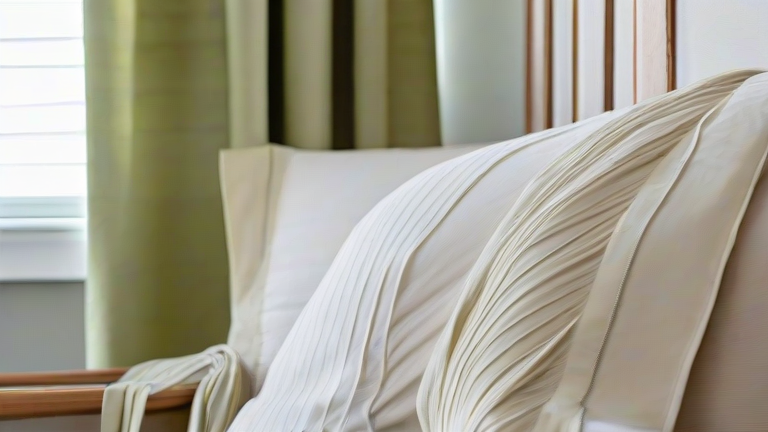
Turn $1 Pillowcases into Curtains: A Frugal Sewing Win
TL;DR: You can transform cheap pillowcases into stylish curtains by cutting them into panels and adding simple hemming. This DIY project saves money while adding a unique, personalized touch to your windows.
Shopping for curtains can be an expensive affair, especially when you have multiple windows in your home. However, a trip to the thrift store or a local fabric discount bin can yield surprising results. Pillowcases are a hidden gem for frugal sewists because they are pre-cut, often made from high-quality cotton, and come in a variety of patterns and colors. By repurposing these everyday items, you can create custom-fitted window treatments that fit your specific style and budget. This guide walks you through the process of turning a single dollar pillowcase into a functional and attractive curtain panel. It is a beginner-friendly project that requires basic sewing skills and minimal supplies, making it perfect for anyone looking to save money and reduce textile waste. The result is a curtain that feels handcrafted and unique, avoiding the mass-produced look of big-box store options. Whether you want sheer privacy or light filtering, this method allows for full customization of the final product.
If you want to dig deeper, check out our guide on Best Ergonomic Office Chairs for Back Pain Relief.
Step-by-Step Instructions
First, gather your materials. You will need one pillowcase per curtain panel, matching thread, a needle or sewing machine, pins, and a ruler. If you plan to use hooks or rings, ensure you have the appropriate hardware. Start by washing and drying the pillowcase to remove any wrinkles and ensure the fabric is stable. Iron the fabric smooth before cutting to make for cleaner lines. Lay the pillowcase flat and measure the desired width for your curtain panel. Most standard pillowcases are wide enough for a single panel, but you may need to cut them in half if you want a narrower, more tailored look. Cut the pillowcase open along the side seam to create a flat rectangle. If the pillowcase has an opening, decide whether to keep it or close it off, depending on the desired aesthetic. For a modern look, you might cut the pillowcase into two separate strips to create two thinner panels. Alternatively, use the entire pillowcase as a single wide panel for smaller windows. Once you have your main fabric piece, measure the length you need, including extra for the top header and bottom hem. Cut the fabric to length, ensuring you have at least two inches for the top fold and one inch for the bottom hem. Fold the top edge down twice to create a sturdy header where you can insert a rod or sew in hooks. Sew this hem securely using a straight stitch. For the bottom edge, fold it up once for a standard hem or twice for a double hem. Pin it in place and sew. If you are using rings, you can create loops from the excess fabric or use pre-made curtain tabs. For hooks, you can sew on the hardware directly or use a channel method. Finally, press the finished curtain with an iron to give it a professional finish. Hang it on your rod and admire your cost-effective creation. You have just turned a one-dollar item into a high-value home decor piece.
Tips for Success
When selecting pillowcases, look for fabrics with a slight texture or pattern to hide any minor imperfections in sewing. Cotton blends work well because they are durable and easy to sew. If you are new to sewing, practice your stitching on scrap fabric before cutting into your pillowcase. Use pins frequently to keep the fabric from shifting while you sew. If you are working with a sewing machine, use a longer stitch length for the main seams to ensure strength. For a more polished look, consider adding a bias binding to the edges if you choose not to hem them. This adds a nice finishing touch that mimics professional curtains. Remember that different fabrics drape differently, so test the weight of your pillowcase before committing to a large window. Lighter fabrics may need to be doubled up for privacy, while heavier fabrics are better for light control. Experiment with layering different pillowcases to create a textured, layered look. You can also mix and match colors to create a fun, eclectic vibe in your room. The key is to have fun with the process and embrace the