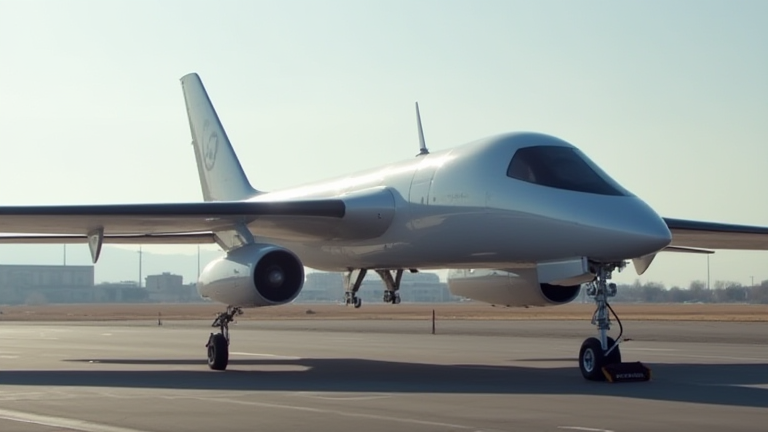
TL;DR: The world’s largest all-electric plane successfully completed a 27-minute flight powered by a mere five dollars’ worth of electricity. This breakthrough demonstrates that aviation’s future is not just about speed, but about radical cost efficiency and sustainable energy solutions.
The Silent Revolution in the Sky
For over a century, the roar of jet engines has defined the experience of air travel. It is loud, expensive, and heavily dependent on fossil fuels. However, a quiet revolution is taking place in hangars and test fields around the globe. The recent flight of the world’s largest electric aircraft marks a pivotal moment in this transition. By achieving a sustained flight duration of 27 minutes on a cost basis of just five dollars, engineers have moved electric aviation from the realm of theoretical possibility to tangible reality. This achievement is not merely a technical milestone; it is a cultural statement that redefines what we expect from transportation.
If you want to dig deeper, check out our guide on 10 Simple Health Habits to Boost Your Energy and Focus.
The economic implications of this feat are staggering. Traditional aviation is an industry built on high margins and fuel volatility. The idea that energy costs could be reduced to pennies per hour of flight challenges the entire business model of commercial airlines. It suggests a future where air travel becomes less of a luxury and more of a utility, accessible to a broader segment of the population. This shift mirrors the broader cultural move towards sustainability and efficiency that we see in our daily lives. Just as we have embraced electric vehicles for personal transport, the aviation industry is beginning to follow suit, driven by the same desire for cleaner, cheaper, and more reliable mobility.
Cultural Shifts in Mobility
Personal growth and lifestyle choices are increasingly influenced by our environmental footprint. The success of this electric plane serves as a powerful symbol for the potential of green technology to reshape our world. It encourages us to rethink our assumptions about energy and distance. The flight was not just a test of batteries and motors; it was a test of human ingenuity and our collective will to innovate. As we watch these planes take off, we are witnessing a new era where the sky is no longer a barrier to sustainable living, but a new avenue for it. The silence of the electric engine is not an absence of power, but a promise of a quieter, cleaner, and more affordable future for all.
FAQ
Q: How did the plane achieve such a low energy cost?
A: The aircraft used highly efficient lithium-ion batteries and aerodynamic designs that minimized drag, allowing it to maximize the distance traveled per unit of electricity consumed.
Q: What is the primary limitation of current electric aircraft technology?
A: The main challenge is battery energy density, which currently limits flight range and duration compared to conventional fuel-powered planes.
Q: When can we expect electric planes for commercial passenger use?
A: While short-haul electric flights are expected within the next decade, long-haul commercial electric planes face significant technical hurdles and may take much longer to develop.