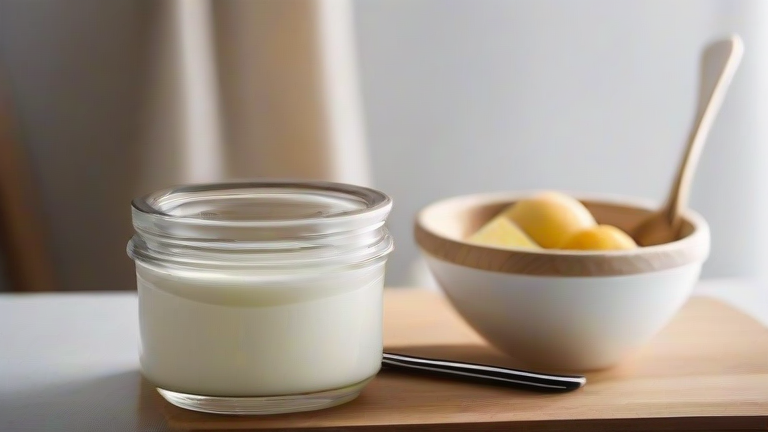
TL;DR: Making yogurt at home is surprisingly simple, requiring only milk, a starter culture, and consistent warmth to achieve a creamy, probiotic-rich result. This guide outlines the essential steps and equipment needed to transition from store-bought dependence to confident homemade fermentation.
The Allure of Homemade Yogurt
For many home cooks, the journey into fermentation begins with yogurt because it offers the perfect balance of complexity and accessibility. Unlike sourdough, which demands daily feeding, or beer brewing, which requires precise temperature control, yogurt is forgiving. My Level 2 journey refers to the phase where you move beyond simple instructions to understanding the science of bacterial fermentation. At this stage, you stop following recipes blindly and start manipulating variables like incubation time and starter ratio to tailor the final product to your taste preferences.
If you want to dig deeper, check out our guide on Apple M3 MacBook Pro: Is the 16GB RAM Enough for Video Editi.
Essential Features for Success
To replicate my success, you need to focus on three core feature highlights: heat consistency, vessel choice, and starter quality. First, heat is non-negotiable. The bacteria that create yogurt, primarily Lactobacillus bulgaricus and Streptococcus thermophilus, thrive between 110 and 115 degrees Fahrenheit. If your environment is too cold, fermentation stalls; if it is too hot, the bacteria die, leaving you with unfermented milk or a grainy texture. A dedicated yogurt maker with a digital thermostat is the most reliable tool, but a crockpot with a low setting works well. Second, the vessel matters. Glass jars are preferred over plastic because they retain heat better and do not leach chemicals. Finally, the starter culture is the soul of the process. Using a small spoonful of store-bought plain yogurt with live active cultures as a starter is the easiest method for beginners.
Comparing Methods and Outcomes
When comparing homemade yogurt to commercial options, the differences are profound. Store-bought yogurts often contain stabilizers, thickeners, and preservatives to ensure shelf stability and uniform texture. Homemade yogurt, by contrast, is pure. The texture tends to be thicker and more custard-like because no gums or starches are added to mimic creaminess. In terms of taste, homemade yogurt has a cleaner, sharper tang that can be adjusted by varying the incubation time. Shorter incubation yields a milder taste, while longer incubation results in a more sour profile. Furthermore, the probiotic content in homemade yogurt is often higher because the bacteria are not subjected to the pasteurization processes that kill live cultures in many commercial brands. While commercial yogurt is convenient, the nutritional and flavor benefits of homemade are hard to beat.
Your Next Steps in Fermentation
Ready to embark on your own Level 2 journey? The barrier to entry is lower than you think. Start by purchasing a high-quality yogurt maker or setting aside a crockpot. Buy a quart of plain, full-fat yogurt with live active cultures from a local dairy if possible. Heat your milk to 180 degrees Fahrenheit to denature the proteins, then cool it to 110 degrees. Stir in your starter, pour into jars, and incubate for six to twelve hours. Once set, refrigerate for at least four hours to allow the texture to th further. Taste your creation, adjust the time for your next batch, and share the surplus with friends. The sense of accomplishment derived from transforming simple milk into a rich, creamy staple is unmatched. Embrace the process, experiment with flavors, and enjoy the health benefits of your own culinary creation.
FAQ
Q: Why does my yogurt turn out runny?
A: This usually happens if the milk was not heated enough initially or if the incubation temperature was too low. Ensure you scald the milk first and maintain a steady heat source.
Q: Can I use Greek yogurt as a starter?
A: Yes, but ensure it contains live active cultures. Greek yogurt is already strained, so your resulting batch may be thicker, but the fermentation process remains the same.
Q: How