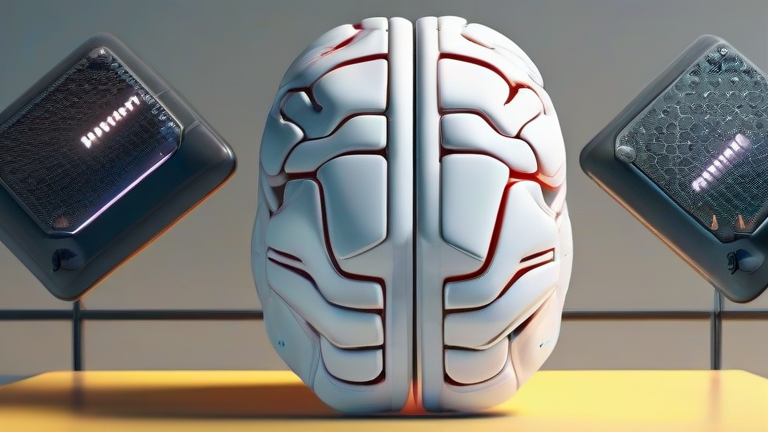
Brain-Computer Interfaces for Consumers: Top Trends
TL;DR: Consumer-grade BCIs are shifting from medical devices to wellness tools, focusing on non-invasive EEG headsets for stress management and cognitive enhancement. The top trends include affordable neural feedback for sleep optimization, biofeedback for anxiety reduction, and seamless integration with smart home ecosystems for personalized mental health support.
The Rise of Non-Invasive Neuro-Wellness
Once confined to research labs and clinical settings for patients with paralysis, Brain-Computer Interfaces (BCIs) are rapidly entering the mainstream consumer market. The primary driver is the miniaturization of electroencephalogram (EEG) sensors, which allow for the creation of lightweight, comfortable headbands that can monitor brainwave activity without surgical implants. These devices translate neural signals into actionable data, empowering users to understand their cognitive states in real-time. This shift represents a significant leap in personalized health, moving from generic wellness advice to data-driven mental conditioning. By monitoring metrics such as alpha, beta, and theta waves, users can gain insight into their focus levels, relaxation states, and sleep quality, providing a scientific basis for daily habits.
If you want to dig deeper, check out our guide on Halloween Hack: Viral ‘De-Flock’ Campaign Targets AI Cameras.
Key Consumer Trends in 2024
The first major trend is the integration of BCIs with mindfulness and meditation apps. Devices like Muse and Flowtime use real-time audio or visual feedback to guide users through meditation, helping them recognize when their minds wander. This biofeedback loop accelerates the learning curve for mindfulness practices, making it easier for beginners to achieve deep states of relaxation. Science-backed studies suggest that consistent neurofeedback training can reduce symptoms of anxiety and improve attention span, offering a compelling alternative or complement to traditional therapy. For lifestyle enthusiasts, this means fewer failed meditation sessions and a tangible metric for mental progress, turning abstract concepts of “calm” into measurable data points.
Secondly, sleep optimization is becoming a frontier for BCI adoption. Advanced headsets can track sleep stages with greater accuracy than standard accelerometers by analyzing specific brainwave patterns. Users can receive gentle haptic alerts during light sleep phases to wake up feeling more refreshed, or use pre-sleep soundscapes tailored to their neural profile to induce deeper rest. This precision in sleep hygiene addresses a critical pillar of overall health, as poor sleep is linked to cognitive decline and immune system weakness. By prioritizing restorative sleep, consumers can enhance their daytime productivity and emotional resilience without relying on pharmaceutical interventions.
Finally, the convergence of BCIs with the Internet of Things (IoT) is creating smart environments that adapt to the user’s mental state. Imagine a smart home system that dims the lights and adjusts the temperature when the BCI detects rising stress levels, or one that plays calming music during high-focus work sessions. This ambient computing approach removes the burden of constant decision-making, allowing the environment to support rather than distract. As privacy concerns remain paramount, leading manufacturers are emphasizing on-device processing, ensuring that sensitive neural data stays local rather than being uploaded to cloud servers. This focus on data sovereignty is crucial for gaining consumer trust and ensuring the long-term adoption of these powerful technologies in daily life.
FAQ
Q: Are consumer BCIs safe to use daily?
A: Yes, non-invasive consumer BCIs use external sensors that do not penetrate the skin, making them generally safe for daily use. Always follow manufacturer guidelines regarding wear time and skin hygiene to prevent irritation.
Q: Do I need a subscription to use these devices?
A: Most basic functionalities are included with the hardware, but advanced analytics, personalized coaching, and cloud-based data storage often require a monthly or annual subscription service.
Q: Can a BCI replace professional mental health treatment?
A: No, consumer BCIs are wellness tools for self-monitoring and enhancement, not medical devices for diagnosis or treatment. They should not replace therapy or medication prescribed by qualified healthcare professionals.