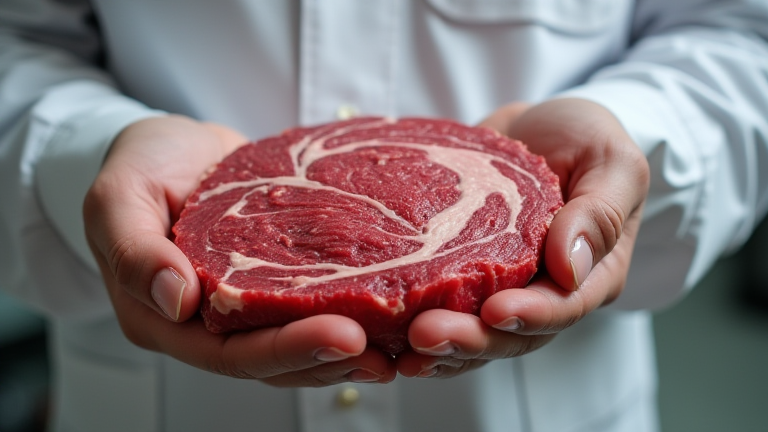
TL;DR: Lab-grown meat is now commercially available in select grocery stores, offering a protein source with a potentially lower environmental footprint than conventional farming. It represents a significant shift in food science, merging biotechnology with sustainable lifestyle choices.
The Rise of Cultured Protein
Synthetic biology has moved beyond theoretical research to become a tangible reality in our supermarkets. By culturing animal cells in controlled environments, scientists can produce meat without slaughter, significantly reducing land use, water consumption, and greenhouse gas emissions. This innovation addresses the growing global demand for protein while mitigating the ecological impacts of traditional livestock farming. For health-conscious consumers, this technology offers a fascinating intersection of scientific advancement and nutritional security, promising a future where high-quality protein aligns more closely with planetary health.
If you want to dig deeper, check out our guide on Synthetic Biology: Bio-Based Plastics Replace Petroleum.
Nutritional Profile and Safety
From a nutritional standpoint, cultured meat is engineered to mimic the profile of its conventional counterparts. Early studies indicate that it contains similar levels of protein, fats, and micronutrients, though manufacturers can adjust compositions to reduce saturated fat or increase omega-3 fatty acids. Regulatory agencies, including the FDA and USDA in the United States, have approved specific cultured meat products after rigorous safety reviews. These approvals confirm that the manufacturing process, which involves cell lines, growth media, and bioreactors, yields a safe food source. Consumers can expect these products to undergo the same quality control standards as traditional meats, ensuring purity and consistency.
Incorporating Lab-Grown Meat Into Your Diet
Integrating cultured meat into your lifestyle requires a balanced approach. Start by treating these products as an occasional addition rather than a complete replacement for whole-food sources. Pair them with a variety of vegetables, legumes, and whole grains to maximize nutrient density. Monitor your overall dietary balance, ensuring you are not over-relying on processed alternatives. Lifestyle tips include staying informed about labeling, as “cultured” or “cell-cultured” terms indicate the source. Additionally, consider the environmental benefits by viewing this choice as part of a broader sustainable eating strategy. This mindful consumption supports both personal wellness and global ecological goals.
FAQ
Q: Is lab-grown meat healthier than conventional beef?
A: It can be, as manufacturers can control the fat profile, potentially reducing saturated fat content compared to conventional beef, though overall nutritional value depends on specific product formulation.
Q: How does the environmental impact compare to traditional farming?
A: Cultured meat generally requires significantly less land, water, and energy, resulting in lower greenhouse gas emissions per kilogram of protein produced compared to livestock farming.
Q: Where can I buy synthetic meat today?
A: Currently, availability is limited to specific regions and select grocery chains, with more widespread retail expansion expected as regulatory approvals and production scales increase globally.