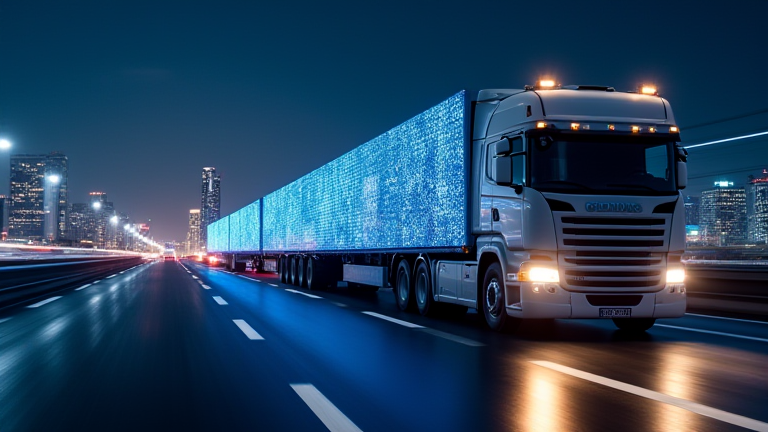
TL;DR: Digital twins transform global logistics by creating virtual replicas of supply chains, allowing for real-time simulation and predictive maintenance. This technology reduces waste and enhances efficiency, enabling businesses to navigate global disruptions with unprecedented precision and agility.
The Virtual Mirror of Reality
Imagine standing in a bustling warehouse in Rotterdam, but instead of hearing the hum of forklifts, you are monitoring a silent, digital reflection of every pallet, truck, and ship. This is the essence of a digital twin, a technology that is quietly revolutionizing how we move goods across the planet. For the modern professional and consumer, this shift is not just a backend IT upgrade; it is a profound change in the rhythm of global commerce that impacts everything from the freshness of your morning coffee to the reliability of your holiday travel plans.
If you want to dig deeper, check out our guide on Best Long-Lasting Basement Dehumidifiers: Top Picks.
Traditional logistics often rely on reactive measures. When a container gets stuck in a port due to a strike or a storm, companies scramble to find alternatives. Digital twins flip this script. By feeding real-time data from IoT sensors into a virtual model, supply chain managers can predict bottlenecks before they happen. If a typhoon is forecasted to disrupt shipping lanes in the Pacific, the digital twin can simulate rerouting options instantly, calculating the most cost-effective path that keeps products moving. This predictive power is a form of personal growth for organizations, allowing them to evolve from reactive entities to proactive strategists.
Impact on Consumer Culture and Travel
This technological leap has tangible effects on our daily lives and cultural experiences. Consider the travel industry. Airlines and tourism boards use digital twins to optimize baggage handling and crew scheduling. This means smoother airport experiences and more reliable flight times, reducing the stress associated with international travel. For food lovers, the implications are equally exciting. Perishable goods, such as fresh flowers from Kenya or sushi from Japan, require precise temperature control. Digital twins monitor the entire cold chain, ensuring that the product arrives in its prime state. This reliability fosters a culture of trust in global trade, allowing consumers to enjoy diverse culinary experiences with greater confidence.
Furthermore, the sustainability angle cannot be overlooked. By optimizing routes and reducing idle time for trucks and ships, digital twins significantly lower carbon emissions. This aligns with the growing cultural shift towards environmental responsibility. Consumers are increasingly demanding transparency and sustainability from brands. Knowing that their purchases are part of a streamlined, eco-friendly supply chain enhances the brand’s cultural capital. It is a personal growth journey for the industry, learning to balance profit with planet preservation.
FAQ
Q: What is a digital twin in logistics?
A: A digital twin is a dynamic, virtual replica of a physical supply chain system that uses real-time data to simulate, analyze, and predict performance.
Q: How do digital twins improve food safety?
A: They enable continuous monitoring of temperature and humidity conditions throughout the supply chain, ensuring perishable items remain safe and fresh until they reach the consumer.
Q: Are digital twins only for large corporations?
A: No, while initially adopted by giants, cloud-based solutions are making this technology accessible to small and medium-sized businesses, leveling the competitive playing field.