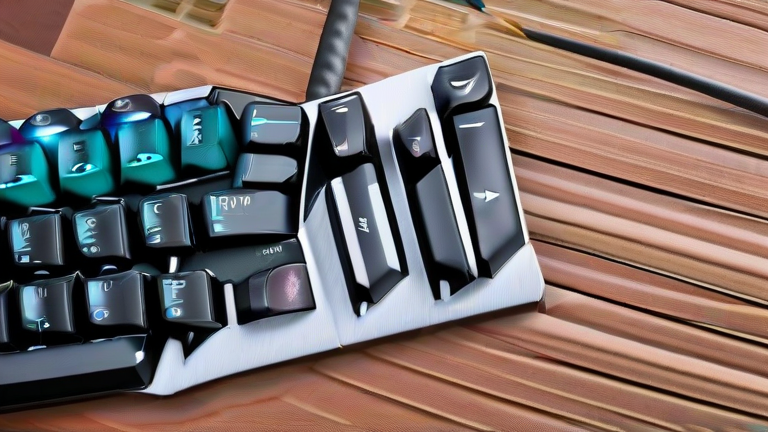
Best Mechanical Keyboards for Coding: Top 5 Picks
TL;DR: The best mechanical keyboards for coding in 2024 are the Keychron Q1 Pro, Wooting 60HE+, NuPhy Air75 V2, Ducky One 3F, and Leopold FC900R. These models offer superior typing comfort, low latency, and customizable features that significantly enhance developer productivity.
The mechanical keyboard market has undergone a seismic shift in the last two years, driven by the explosive growth of the “custom keyboard” community and the rise of Hall Effect switches. For professional coders, who spend eight to twelve hours daily interfacing with text editors and IDEs, the choice of input device is no longer a matter of aesthetic preference but a critical component of workflow efficiency and ergonomic health. The latest developments in this sector focus heavily on wireless connectivity reliability, rapid trigger capabilities, and advanced firmware options that allow for deep customization of key acts and macros.
If you want to dig deeper, check out our guide on Booking to WhatsApp Phishing Attack: Key Risks.
The Rise of Hall Effect Technology
The most significant industry impact in recent months is the proliferation of Hall Effect (HE) switches. Unlike traditional mechanical switches that rely on physical contact between metal leaves, HE switches use magnetic fields to detect key press depth. This technology enables features like “Rapid Trigger,” which resets the key position instantly upon release, and adjustable actuation points. For coders, this translates to reduced finger fatigue and faster, more accurate typing speeds. The Wooting 60HE+ stands out here, offering per-key actuation adjustment that allows developers to fine-tune the resistance of specific keys like the Enter or Spacebar, creating a personalized typing experience that reduces strain during long coding sessions.
Connectivity has also become a primary concern. The era of flaky 2.4GHz dongles is ending. The Keychron Q1 Pro exemplifies the new standard with its robust Bluetooth 5.1 connectivity, which offers superior range and stability compared to previous generations. Its aluminum frame provides a solid, heavy build that resists movement while typing, a crucial feature for heavy-handed programmers. The inclusion of a detachable USB-C cable and battery life exceeding 200 hours ensures that the device remains a reliable workhorse, free from the anxiety of sudden disconnections during critical deployments.
For those who prefer a more compact form factor without sacrificing essential keys, the NuPhy Air75 V2 offers a 75% layout that includes a function row and arrow keys. Its low-profile switches provide a faster typing angle, which can be beneficial for users with wrist issues. The keyboard’s hot-swappable sockets allow users to experiment with different switch types, from linear to tactile, without soldering. This flexibility is a major industry trend, empowering users to find the exact tactile feedback that suits their coding style, whether they prefer the crisp click of a Cherry MX Blue or the smooth glide of a Gateron Oil King.
The Ducky One 3F brings a legacy of quality to the modern era. Known for its rigorous quality control, Ducky ensures that every unit ships with consistent key travel and sound. The One 3F features a PBT keycap set that resists shine, maintaining a professional look even after years of intense use. Its sound profile is often described as “thocky,” a result of precise factory assembly and quality dampening foam. For coders who value a quiet, consistent typing experience in open-office environments, this model remains a top contender due to its reliability and lack of software bloat.
Finally, the Leopold FC900R targets those who prefer a tenkeyless (TKL) layout. By removing the numpad, it frees up desk space for a larger mouse or note-taking area, a common preference among developers who use split-screen workflows. The FC900R uses double-shot PBT keycaps and offers a range of switch options, including the highly regarded Cherry MX Brown. Its build quality is exemplary, with a solid metal weight plate that reduces rattle and enhances the tactile feel. The industry impact of the TKL layout is evident in its adoption by many professionals who find full-size keyboards cumbersome in tight workspace configurations.
As