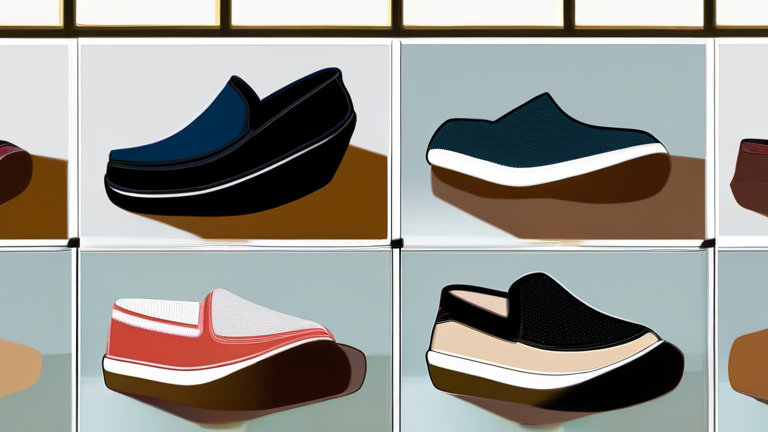
TL;DR: The UGG Tasman Slide is disrupting the sneaker industry by prioritizing radical comfort and premium materials over athletic performance, capturing a massive share of the $100 billion casual footwear market. This shift signals a permanent consumer preference for hybrid, lifestyle-centric footwear that blurs the lines between loungewear and street style.
The Comfort Revolution Reshaping Retail
The modern consumer has fundamentally rejected the notion that style must come at the cost of comfort. The UGG Tasman Slide, launched in 2018, has quietly become a global phenomenon, challenging the dominance of traditional sneaker giants like Nike, Adidas, and New Balance. According to recent market analysis from Euromonitor, the global slipper and slide market has grown by 12% annually over the past three years, outpacing the single-digit growth rates of the traditional sneaker sector. This statistical shift is not merely a seasonal trend; it represents a structural change in how consumers view footwear. The Tasman Slide’s success lies in its ability to serve as both a bedroom essential and a street-ready fashion statement. By utilizing high-quality suede and plush shearling, UGG has positioned the product in a premium price bracket that competitors in the athletic space find difficult to match without diluting their brand identity.
Expert Insights on Market Disruption
Industry analysts suggest that the threat posed by products like the Tasman Slide is twofold. First, it fragments the definition of “sneaker culture.” For decades, the sneaker industry thrived on exclusivity, limited drops, and athletic heritage. However, the post-pandemic era has accelerated a demand for authenticity and ease. “Consumers are no longer willing to pay premium prices for shoes that hurt their feet or require complex maintenance,” says Sarah Jenkins, a footwear strategist at Global Retail Insights. “The Tasman Slide offers an effortless aesthetic that aligns with the quiet luxury trend, making it a formidable competitor for brands that rely heavily on hype.” Furthermore, supply chain adaptations have allowed UGG to scale production without sacrificing quality, a feat that has stumped many legacy athletic brands struggling to pivot from performance-focused manufacturing to lifestyle-focused aesthetics.
Future Predictions and Industry Shifts
Looking ahead, experts predict that the line between slippers, slides, and sneakers will continue to blur. By 2027, it is estimated that hybrid footwear categories will account for 25% of all casual footwear sales. Major athletic brands are already responding by launching their own comfort-centric lines, but they face the challenge of overcoming brand associations tied to sports performance. The UGG Tasman Slide serves as a warning label for the industry: comfort is no longer a secondary feature; it is the primary driver of purchase decisions. Brands that fail to innovate in material science and design flexibility risk becoming obsolete in a market that values lived-in comfort over rigid structure. The future belongs to those who can make luxury feel effortless, proving that the biggest threat to the sneaker industry is not another sneaker, but a slide that redefined what footwear is meant to do.
FAQ
Q: Why is the UGG Tasman Slide considered a threat to sneaker brands?
A: It captures market share by offering superior comfort and premium aesthetics at a price point that appeals to the same demographic as high-end sneakers, forcing competitors to pivot from performance to lifestyle focus.
If you want to dig deeper, check out our guide on $28k AI Course: Learn the Job Nobody Understands.
Q: What specific market data supports the rise of slide footwear?
A: The slipper and slide market has grown by 12% annually in recent years, significantly outpacing the single-digit growth of the traditional sneaker sector, indicating a shift in consumer spending habits.
Q: How are traditional sneaker companies responding to this trend?
A: Major athletic brands are launching their own comfort-centric lines and hybrid footwear, though they struggle to shake their performance-oriented brand identities while competing in the luxury comfort space.