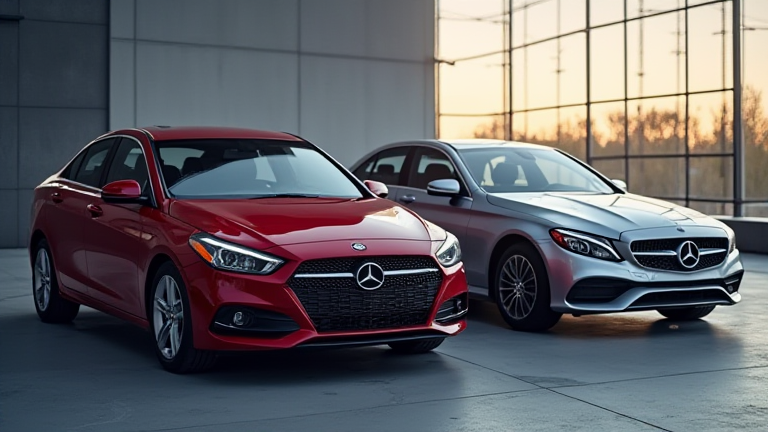
Used Car vs New Car: What’s the Smarter Buy?
TL;DR: A used car is the smarter financial buy due to lower depreciation and insurance costs, while a new car offers superior safety features and warranty peace of mind. The best choice depends on whether you prioritize long-term savings or immediate technological reliability.
Choosing between a used and a new vehicle is one of the most significant financial decisions a household makes. It impacts not just your monthly budget, but also your overall stress levels and lifestyle flexibility. Understanding the science of depreciation and the health implications of vehicle safety can guide you toward the decision that aligns with your long-term well-being. For many buyers, the financial gap between a new car and a one-to-three-year-old used car is substantial. New vehicles lose roughly 20% of their value the moment they leave the dealership lot, and up to 40-50% within the first three years. Buying a used car allows you to let someone else absorb that initial financial hit, preserving your capital for other health and wellness goals, such as fitness memberships, healthy food, or emergency funds.
If you want to dig deeper, check out our guide on How Shopify Plus Powers 7-Figure DTC Brands.
Financial Health and Lifestyle Impact
Financial stress is a well-documented contributor to poor physical and mental health. Chronic anxiety about debt or overspending can elevate cortisol levels, leading to sleep disturbances and weakened immune function. By choosing a used car, you often secure a lower monthly payment, which can reduce financial strain and improve your overall mental clarity. This freed-up cash flow can be redirected toward preventive healthcare, nutrition, or leisure activities that promote mindfulness. However, the cost of ownership extends beyond the purchase price. New cars typically come with comprehensive warranties that cover mechanical failures, reducing the risk of unexpected, stressful repairs. Used cars, particularly older models, may require more frequent maintenance. Regular servicing is not just about keeping the engine running; it ensures that safety features like airbags and brakes function correctly, protecting your physical safety on the road.
Safety and Technology
Modern vehicles are increasingly becoming mobile health pods. New cars are equipped with the latest advanced driver-assistance systems (ADAS), such as automatic emergency braking and blind-spot monitoring. Studies from the National Highway Traffic Safety Administration indicate that these technologies significantly reduce the risk of accidents. For individuals with families or those who drive long distances, these features can be a critical factor in maintaining peace of mind. On the other hand, many used cars, even those a few years old, still offer robust safety ratings. It is essential to research specific models for their crash test scores and recall history. A well-maintained used car with a strong safety record is often a wiser choice than a brand-new vehicle with poor safety ratings. Ultimately, the “smarter” buy is the one that fits your budget without compromising your safety or causing undue financial stress. Prioritize vehicles that allow you to drive with confidence and clarity, supporting a balanced and healthy lifestyle.
FAQ
Q: Is it safer to drive a new car than a used car?
A: New cars generally offer the latest safety technologies, but used cars with high safety ratings and proper maintenance are also very safe.
Q: How does buying a used car affect my mental health?
A: Lower financial strain from reduced costs can decrease stress and anxiety, positively impacting overall mental well-being.
Q: What is the most important factor to consider when buying a car?
A: Budget alignment is crucial; ensure the total cost of ownership fits your financial situation to avoid long-term stress.