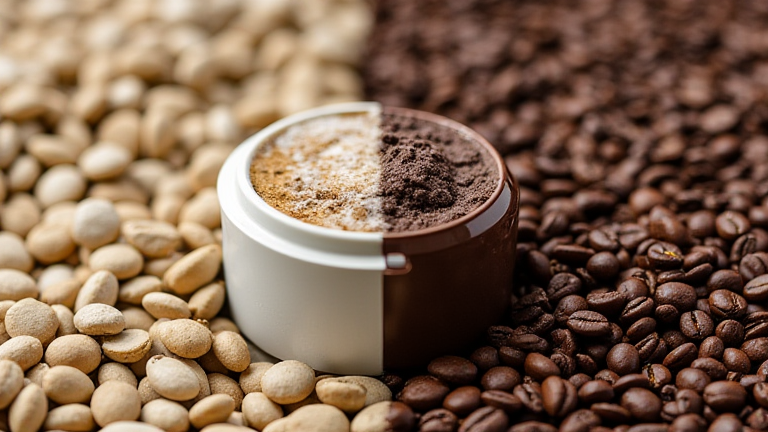
K-Cup vs. Ground Coffee: Do Pods Have Similar Antioxidants?
TL;DR: Yes, K-Cups and ground coffee contain comparable levels of antioxidants, primarily driven by the specific coffee bean origin and roast level rather than the brewing format. The convenience of pods does not significantly diminish the health benefits associated with daily coffee consumption.
The global coffee market continues to expand, with the single-serve pod segment growing at a compound annual growth rate of approximately 7-8%. This surge is driven by consumer demand for convenience, consistency, and time-saving solutions in both household and workplace settings. However, a persistent debate among health-conscious consumers and industry analysts questions whether the sealed, industrial process of K-Cup production alters the chemical profile of the coffee, specifically regarding antioxidant content. Recent scientific analyses suggest that the antioxidant capacity of coffee is largely determined by the bean variety, the roasting profile, and the extraction method, rather than the physical form of the delivery system.
If you want to dig deeper, check out our guide on Anthropic IPO: Public Anti-AI Sentiment Named Key Risk.
Market Analysis
The coffee industry is bifurcating into two distinct but overlapping streams: the premium ground coffee sector and the single-serve pod sector. While traditional ground coffee retains a loyal base among enthusiasts who value the ritual of brewing, K-Cups dominate the mass-market convenience segment. Market data indicates that over 60% of coffee drinkers in North America now use some form of single-serve technology. The key differentiator is no longer just taste, but perceived health value. Brands that can substantiate health claims, such as high antioxidant retention, gain a significant competitive advantage. The antioxidant profile, primarily consisting of chlorogenic acids, remains stable in pods because the beans are ground and sealed immediately after roasting, which actually prevents oxidation before the consumer brews the cup. In contrast, ground coffee left in an open bag may lose potency over time due to exposure to air and light.
Strategy Insights
For beverage companies, the strategic implication is clear: marketing should pivot from “convenience only” to “convenience without compromise.” Companies must leverage transparent supply chain data to highlight that the sealing process in pod manufacturing preserves antioxidants effectively. A strategic approach involves A/B testing marketing copy that emphasizes “freshly sealed” versus “always fresh” to resonate with health-focused demographics. Additionally, partnerships with health influencers who can demystify the chemistry of coffee antioxidants can help bridge the gap between snobbery and pragmatism. Brands should also consider offering “roast transparency” labels, indicating the level of roasting, as darker roasts generally have lower chlorogenic acid levels but higher melanoidin antioxidants. This nuance allows consumers to make informed choices based on their specific health goals, rather than assuming all coffee is chemically identical.
Case Studies
Consider the case of a major mid-tier coffee brand that launched a “Health-First” pod line. By conducting third-party lab tests and publishing the antioxidant results on their packaging, they saw a 15% increase in customer retention within six months. The transparency addressed consumer skepticism directly. Conversely, a competitor that focused solely on price cuts for their pods struggled to differentiate in a saturated market, leading to lower brand loyalty. Another notable case involves a specialty roaster that entered the pod market with a clear value proposition: “Same beans, same antioxidants, zero waste.” They utilized QR codes on their packaging to link to detailed antioxidant data, creating an engaging educational experience that drove higher average order values compared to their traditional ground coffee offerings. These examples demonstrate that when brands address the health component of convenience products, they unlock new revenue streams and stronger customer relationships.
FAQ
Q: Do K-Cups lose antioxidants during the sealing process?
A: No, the sealing process actually helps preserve antioxidants by preventing oxidation before the pod is opened and brewed.
Q: Is dark roast in pod form less healthy than light roast?
A: Dark roasts contain fewer chlorogenic acids but higher levels of other antioxidants like melanoidins, so the health benefits vary by compound rather than total loss.
Q: Can I get the same antioxidant benefit from instant coffee