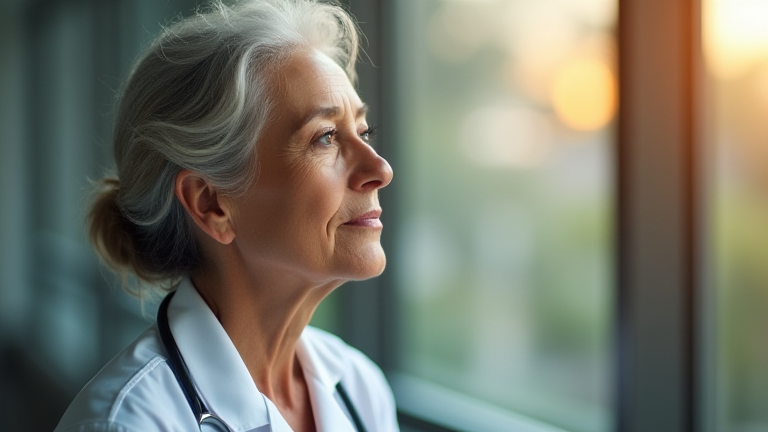
TL;DR: While smoking and sun exposure are infamous carcinogens, the single greatest predictor of cancer diagnosis is simply getting older—our cells accumulate damage and epigenetic errors over decades. You cannot stop the clock, but you can shift your focus from panic-driven avoidance to building a resilient body that ages with grace.
The Quiet Arithmetic of Time
We obsess over SPF ratings and quit smoking cold turkey, yet we rarely discuss the most reliable carcinogen of all: the calendar. After age 60, cancer incidence rises exponentially—not because we suddenly start making worse choices, but because our DNA repair mechanisms slow, telomeres shorten, and the immune system’s surveillance weakens. Traveling through your 40s and 50s, you might notice your skin heals slower after a sunburn or that a glass of wine hits harder. That’s not just fatigue; it’s your cellular machinery logging overtime. The leading risk for cancer is aging, not smoking or sun, and acknowledging this isn’t fatalistic—it’s liberating. You can’t reverse your birthdate, but you can change how your body metabolizes stress, inflammation, and repair.
From Fear to Fermentation: A Food and Culture Lens
In Kyoto, I once watched a 90-year-old woman pickle daikon radish with the same focused ritual her grandmother used. She wasn’t chasing longevity; she was practicing it. That’s the cultural shift we need—from “cancer prevention” as a checklist to “cellular vitality” as a daily craft. Instead of obsessing over whether one glass of red wine or a slice of bacon will “cause” cancer, consider the Japanese concept of *ikigai*: purpose-driven living that lowers chronic inflammation. Travel teaches this beautifully. In Sardinia, centenarians eat sheep’s milk cheese and walk steep hills—not because they’re avoiding carcinogens, but because their lives are woven with movement, community, and fermented foods that feed a diverse gut microbiome. Your gut, not your sunscreen, is your first line of defense against age-related mutations. A diet rich in polyphenols (think olive oil, berries, green tea) supports DNA repair enzymes, while intermittent fasting triggers autophagy—your body’s own cellular cleanup crew.
The Personal Growth Angle: Aging as an Apprenticeship
When we stop treating aging as a disease to be fought, we can treat it as a curriculum. Every birthday is a data point: your body is telling you what it needs more or less of. The real risk isn’t turning 70; it’s turning 70 having never learned to manage your cortisol, sleep, or loneliness—all of which accelerate biological aging. Start small: walk after dinner, adopt a dog, learn a new language (neuroplasticity boosts immune function). The goal isn’t to outrun your years but to make every year count as a synergistic whole. Cancer may be time’s shadow, but you can choose to live in the light of agency.
FAQ
Q: Does this mean I can ignore sun protection and smoking cessation?
A: Absolutely not—smoking and UV exposure are major modifiable risks that accelerate age-related damage. But even a perfect lifestyle won’t eliminate aging, so focus on consistent, gentle habits rather than perfectionism.
Q: What’s the single best anti-aging cancer prevention strategy beyond age itself?
A: Reduce chronic inflammation through regular exercise, adequate sleep, and stress management—these directly slow the biological clock and support DNA repair.
Q: How should I change my diet based on this perspective?
A: Prioritize plant diversity and fermented foods (kimchi, yogurt, miso) to support gut health, and practice time-restricted eating (e.g., 12-hour overnight fast) to trigger cellular repair mechanisms.