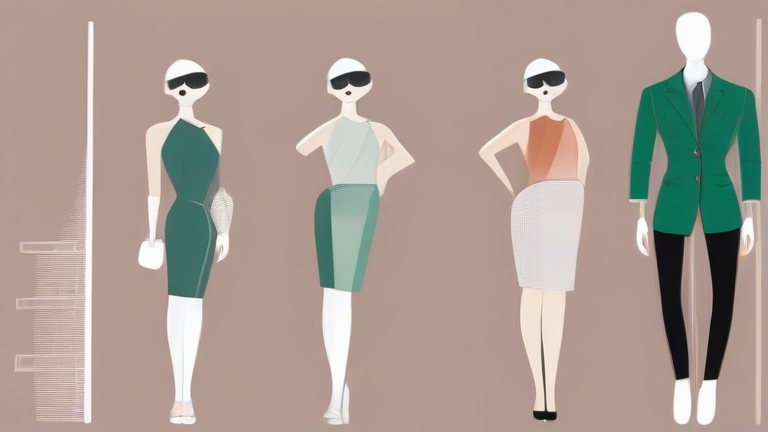
Sustainable Fashion via Synthetic Biology Materials
The fashion industry stands at a critical crossroads. For decades, the drive for low-cost, high-volume clothing has come at a steep environmental price, contributing significantly to pollution, waste, and resource depletion. However, a revolutionary shift is underway, driven by the convergence of technology and ecology: synthetic biology materials. This review explores how bio-engineered fabrics are not just replacing traditional textiles but are redefining the very concept of sustainable luxury, offering a compelling alternative to both conventional cotton and petroleum-based synthetics.
At the heart of this movement is the ability to grow materials in labs rather than farms or factories. Unlike traditional agriculture, which demands vast amounts of water, pesticides, and arable land, synthetic biology utilizes microbial fermentation to produce proteins and polymers. Imagine spider silk spun by engineered yeast, or leather created from mycelium (mushroom roots) without the need for harmful tanning chemicals. These materials offer the durability and texture consumers demand while drastically reducing the carbon footprint associated with production. The result is a fabric that feels premium to the touch while being gentle on the planet.
If you want to dig deeper, check out our guide on Remote Work Hubs Are Replacing City Offices.

When comparing these bio-synthetic fabrics to traditional options, the advantages become starkly clear. Conventional cotton is notoriously thirsty, requiring thousands of liters of water to produce a single kilogram of fiber. Polyester, derived from fossil fuels, sheds microplastics into our oceans with every wash. In contrast, lab-grown leather alternatives require a fraction of the water and no animal cruelty. Furthermore, synthetic biology materials are often designed for circularity. They can be engineered to be fully biodegradable at the end of their life cycle, returning to the earth rather than lingering in landfills for centuries. This stands in sharp contrast to traditional synthetics, which persist indefinitely, and even organic cotton, which, while better, still relies on land-use intensive farming practices.
Performance-wise, these new materials are no longer experimental novelties. Early adopters in the luxury sector have reported that bio-leather offers superior consistency and fewer imperfections than animal hides.