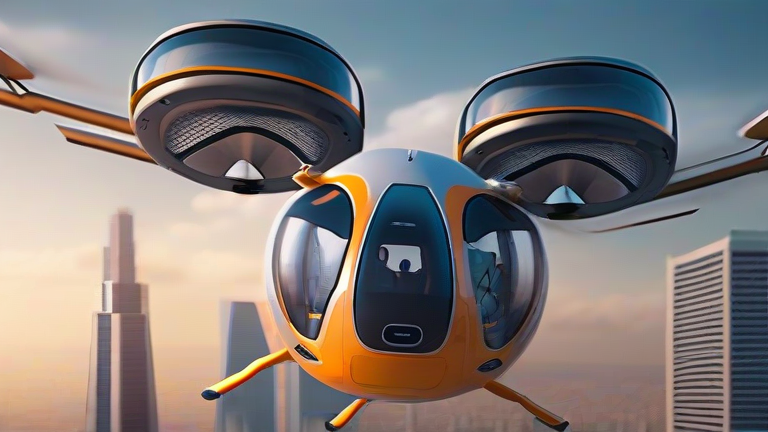
Urban Air Mobility Enters Regulated Service
As the first licensed eVTOL (electric vertical take-off and landing) aircraft begin their commercial trials in major metropolitan hubs, the promise of a sky-high commute is no longer science fiction. However, this technological leap introduces a unique set of physiological and psychological challenges for the modern urbanite. While the allure of bypassing gridlocked traffic is undeniable, the transition to airborne travel demands a new approach to personal health and wellness. Understanding the environmental and biological impacts of regulated urban air mobility is crucial for passengers who wish to maintain their physical and mental equilibrium in this new aerial age.

The cabin environment of an eVTOL differs significantly from traditional commercial aviation or ground transport. These vehicles often operate at lower altitudes and higher densities than jetliners, exposing passengers to unique acoustic profiles and electromagnetic fields. Recent studies suggest that even low-frequency noise, common in electric propulsion systems, can trigger subtle stress responses if not properly mitigated. To counteract this, passengers should practice “sensory grounding” before boarding. Techniques such as box breathing—inhaling for four seconds, holding for four, exhaling for four, and holding for four—can significantly lower cortisol levels and prepare the nervous system for the unique sensory input of flight.
If you want to dig deeper, check out our guide on Remote Work Policies Favor Hybrid Models: Key Trends.
Optimizing Circadian Rhythms in the Sky
Another critical aspect of urban air mobility is its impact on circadian rhythms. Many eVTOL services offer early morning or late-night routes to maximize efficiency. These off-peak hours often conflict with natural light exposure, which is vital for regulating melatonin production. To maintain healthy sleep-wake cycles, passengers should utilize blue-light filtering glasses during night flights and expose themselves to bright natural sunlight immediately upon landing. This simple lifestyle adjustment helps synchronize the body’s internal clock, preventing the jet lag-like symptoms that can arise from rapid, multi-modal travel.
Furthermore, the seated posture in compact eVTOL cabins can lead to restricted blood flow and muscle stiffness. Unlike spacious airplane seats, these aircraft prioritize density, meaning limited leg