
CRISPR Cures Rare Genetic Disorders in Kids
The landscape of pediatric medicine is undergoing a seismic shift. For decades, families affected by rare genetic disorders faced a landscape of limited options, often relying on palliative care or experimental treatments with uncertain outcomes. Today, the advent of CRISPR-Cas9 gene-editing technology has introduced a beacon of hope, offering the potential for true cures rather than mere symptom management. This revolutionary tool acts like molecular scissors, allowing scientists to precisely locate and modify defective genes responsible for devastating conditions such as sickle cell disease, beta-thalassemia, and certain forms of inherited blindness. Recent clinical trials have demonstrated remarkable success in correcting these genetic errors at their source, providing children with a chance at a healthier, more vibrant future.
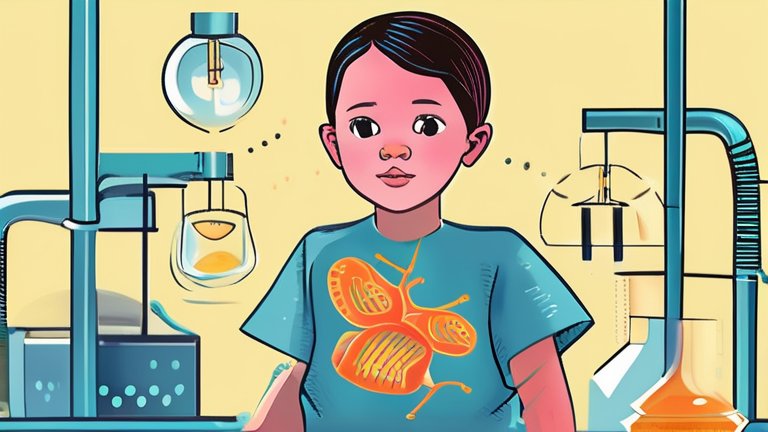
Understanding how CRISPR works is essential for appreciating its impact. The system identifies specific sequences of DNA within a cell’s genome. Once the target sequence is located, the Cas9 enzyme creates a precise cut in the DNA strand. The cell’s natural repair mechanisms then kick in, either disabling a malfunctioning gene or inserting a corrected version. For children born with monogenic disorders—conditions caused by a mutation in a single gene—this precision is nothing short of miraculous. It addresses the root cause of the illness, potentially eliminating the need for lifelong treatments like frequent blood transfusions or painful injections. The emotional relief for families is immeasurable, replacing years of anxiety with the promise of normalcy.
If you want to dig deeper, check out our guide on Urban Vertical Farming: Cutting Food Miles & Boosting Freshn.
However, the journey toward widespread adoption of gene therapy is not without challenges. Safety remains a paramount concern. While off-target effects—unintended edits in other parts of the genome—are becoming increasingly rare due to improved precision, rigorous long-term monitoring is still required. Furthermore, the cost of these therapies is currently astronomical, raising significant ethical questions about accessibility and equity. It is crucial for healthcare systems to develop sustainable funding models so that life-saving treatments are not reserved only for the wealthy. Public policy must evolve alongside scientific innovation to ensure that all children, regardless of socioeconomic status, have equal access to these breakthroughs.
How Quantum Computing Breaches Encryption Standards