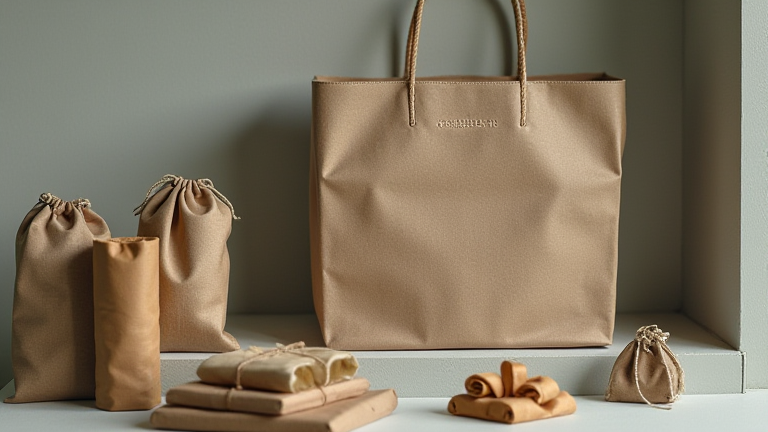
TL;DR: Fashion brands must redesign packaging for circular economy mandates by adopting reusable, compostable, or fully recyclable materials that eliminate single-use plastics. This strategic shift not only complies with emerging environmental regulations but also significantly enhances brand loyalty among eco-conscious consumers.
The modern consumer is no longer just buying a garment; they are investing in a narrative. When you unbox a luxury handbag or a sustainable sneaker, the experience begins long before the fabric touches your skin. It starts with the packaging. For years, the fashion industry has been criticized for its excessive waste, burying beautiful products in mountains of non-biodegradable plastic, excessive tape, and unnecessary cardboard. However, the tide is turning. Governments and consumers alike are demanding a circular approach, forcing brands to rethink every layer of their delivery system. This is not merely a regulatory hurdle; it is a profound opportunity for personal growth and cultural evolution within the retail sector.
Consider the journey of your morning coffee. You might appreciate the artisanal roast, but the cup’s sustainability matters just as much. Similarly, in fashion, the “unboxing” moment is a cultural touchstone. Brands like Stella McCartney and Patagonia have already led the charge, utilizing mushroom-based mycelium packaging or recycled ocean plastics. These innovations transform a simple transaction into an educational experience. When a customer receives their order in a box that can be planted or easily dissolved, it reinforces a lifestyle choice. It signals that the brand respects the planet as much as the product. This alignment of values is crucial in today’s market, where transparency is currency.
Moreover, redesigning packaging offers a unique angle for travel and lifestyle storytelling. Imagine packing for a trip, knowing your wardrobe arrived in zero-waste materials. This reduces the mental load of disposal and aligns with the minimalist ethos many travelers seek. It encourages a slower, more mindful consumption habit. Instead of discarding packaging, customers are invited to repurpose it as storage, art, or even garden compost. This creative reuse fosters a deeper connection between the user and the brand, turning a disposable item into a lasting keepsake. The circular economy is not just about recycling; it is about designing out waste from the start. By prioritizing durability and reusability, fashion houses can set a new standard for luxury. Luxury is no longer defined by excess, but by responsibility.
As we move forward, the mandate for circular packaging will only tighten. Brands that fail to adapt risk obsolescence, while those that embrace this change will lead the cultural conversation. The question is no longer if you should redesign your packaging, but how creatively you can do it. The future of fashion is green, and the packaging is the first step.
FAQ
Q: What is the circular economy in fashion?
A: It is an economic system aimed at eliminating waste and the continual use of resources through sharing, leasing, reusing, repairing, and recycling.
If you want to dig deeper, check out our guide on 10 Lifestyle Hacks to Boost Your Daily Happiness and Wellnes.
Q: Why is packaging important for brand loyalty?
A: Sustainable packaging reflects a brand’s values, resonating with eco-conscious consumers who prefer to support companies committed to environmental responsibility.
Q: What are common alternatives to plastic packaging?
A: Common alternatives include recycled cardboard, mushroom mycelium, compostable bioplastics, and reusable fabric bags designed for multiple uses.