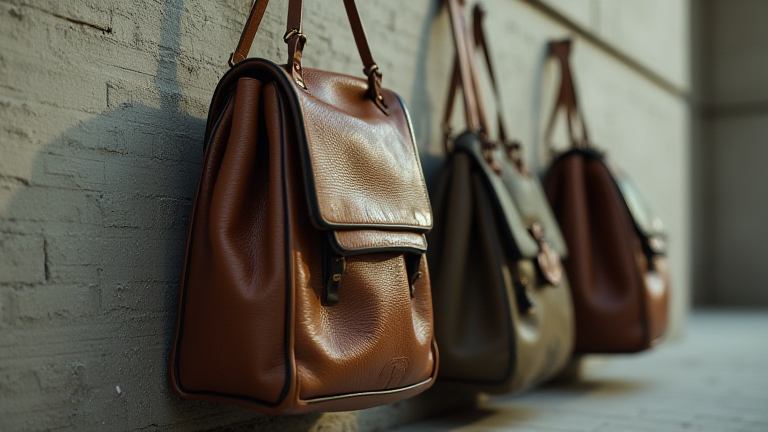
TL;DR: Lab-grown leather is rapidly dominating the fashion industry by offering a cruelty-free, environmentally responsible alternative to traditional animal hides without compromising on durability or aesthetic appeal. This technological leap is driving a fundamental shift in consumer preferences and corporate sustainability strategies, marking the definitive transition toward ethical luxury in the modern marketplace.
The Rise of Bio-Fabricated Materials
The fashion industry stands at a critical juncture, grappling with the environmental devastation caused by traditional livestock farming and chemical tanning processes. Lab-grown leather, also known as bio-fabricated or cultured leather, emerges as the premier solution to these pressing ecological challenges. By utilizing cellular agriculture techniques, scientists can cultivate animal cells in controlled laboratory environments, eliminating the need for slaughtering animals while significantly reducing greenhouse gas emissions, water consumption, and land usage. This innovation is not merely a niche trend but a scalable industrial revolution that promises to redefine the standards of sustainable luxury.
If you want to dig deeper, check out our guide on Top 10 Emerging Trends Shaping 2024: What You Need to Know.
Market Analysis and Economic Viability

Recent market analysis indicates a robust compound annual growth rate (CAGR) for the bio-based materials sector, with lab-grown leather projected to capture a significant share of the global leather market by 2030. Investors are increasingly recognizing the long-term viability of these startups, drawn by the dual promise of ethical compliance and high-quality output. Major fashion conglomerates are allocating substantial venture capital to support research and development, aiming to achieve price parity with traditional leather within the next five years. This financial influx is accelerating production capabilities, allowing companies to scale from pilot programs to mass manufacturing, thereby lowering costs and increasing accessibility for mid-tier brands.
Strategic Insights for Industry Leaders
For fashion brands looking to integrate lab-grown leather into their supply chains, strategic alignment with sustainability goals is paramount. Companies must prioritize transparency, clearly communicating the benefits of bio-fabricated materials to consumers who are increasingly skeptical of greenwashing. Collaborating with innovative biotech firms rather than relying solely on traditional tanners allows brands to secure exclusive material rights and stay ahead of regulatory trends. Furthermore, marketing campaigns should focus on the technological prowess and ethical integrity of the products, appealing to the conscious consumer who values both style and substance. By positioning lab-grown leather as a symbol of modern innovation rather than a compromise, brands can command premium pricing and foster deep brand loyalty.
Case Studies in Innovation
Several pioneering companies have already demonstrated the commercial viability of this technology. Bolt Threads, for instance, has successfully partnered with major retailers to produce bags and accessories using its Microsilk material, proving that lab-grown alternatives can meet the durability standards expected by high-end consumers. Similarly, Modern Meadow has focused on creating bio-fabricated materials that mimic the texture and feel of traditional leather, securing partnerships with luxury fashion houses eager to reduce their carbon footprint. These case studies illustrate that the technology is mature enough for immediate commercial application, offering a tangible pathway for brands to transition away from animal-derived products without sacrificing quality.
FAQ
Q: Is lab-grown leather durable enough for everyday use?
A: Yes, advanced bio-fabrication techniques ensure that lab-grown leather matches or exceeds the durability and tensile strength of traditional animal leather, making it suitable for high-wear items like shoes and bags.
Q: How does the cost of lab-grown leather compare to traditional leather?
A: Currently, lab-grown leather is more expensive due to high research and production costs, but economies of scale and technological advancements are rapidly driving prices down to compete with premium animal leather.
Q: Does lab-grown leather require any animal products during production?
A: No, the process involves cultivating animal cells in a nutrient-rich medium without slaughtering animals, making it completely cruelty-free and suitable for