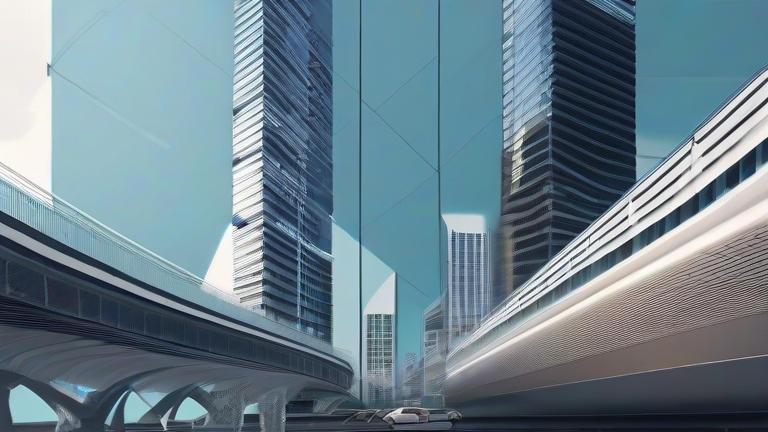
TL;DR: Digital twin technology transforms urban planning by creating real-time virtual replicas of physical cities, enabling data-driven decision-making and predictive simulation. This shift significantly reduces infrastructure risks, optimizes resource allocation, and enhances citizen engagement through immersive, interactive urban models.
The Rise of the Virtual City
Urbanization is accelerating at an unprecedented pace, with over 68% of the world’s population projected to live in urban areas by 2050. Traditional planning methods, often reliant on static historical data and fragmented silos, are no longer sufficient to handle the complexity of modern megacities. Enter digital twin technology: a dynamic, virtual replica of a physical city that integrates real-time data from sensors, satellites, and IoT devices. This technological leap allows planners to simulate scenarios, predict outcomes, and optimize urban systems before implementing them in the real world.
If you want to dig deeper, check out our guide on 10 Proven SEO Strategies to Grow Your Business in 2024.
Market Growth and Expert Insights
The global digital twin market is experiencing explosive growth, driven largely by smart city initiatives. According to recent market research, the digital twin market size was valued at approximately $15 billion in 2023 and is expected to reach nearly $70 billion by 2028, growing at a CAGR of over 35%. This surge is fueled by increased investments in infrastructure resilience and sustainability. Industry experts emphasize that the true value lies not just in visualization, but in predictive analytics. Dr. Elena Rossi, a leading urban technologist, notes, “Digital twins allow us to move from reactive maintenance to proactive management. We can now simulate flood scenarios, traffic patterns, and energy consumption with remarkable accuracy, allowing cities to mitigate risks before they materialize.”

Sustainability is another key driver. Cities are under immense pressure to meet net-zero carbon goals. Digital twins enable planners to model the impact of green infrastructure, such as urban forests and renewable energy grids, ensuring that development aligns with environmental targets. For instance, Singapore’s virtual city model has been instrumental in optimizing building ventilation systems, reducing energy usage by up to 15%.
Future Predictions and Challenges
Looking ahead, the integration of artificial intelligence and machine learning with digital twins will further enhance their capabilities. AI-driven simulations will become autonomous, continuously learning from real-world data to refine urban strategies in real-time. However, challenges remain, including data privacy concerns, high implementation costs, and the need for standardized data formats. As cities adopt these technologies, establishing robust governance frameworks will be crucial to ensure equitable access and security. Despite these hurdles, the trajectory is clear: digital twins are becoming the backbone of sustainable, resilient, and efficient urban planning, redefining how we build and inhabit our cities.
FAQ
Q: What is a digital twin in urban planning?
A: A digital twin is a virtual replica of a physical city that uses real-time data to simulate, predict, and optimize urban systems and infrastructure.
Q: How much is the global digital twin market worth?
A: The market was valued at approximately $15 billion in 2023 and is projected to reach nearly $70 billion by 2028.
Q: What are the main challenges of adopting digital twins?
A: Key challenges include data privacy concerns, high initial implementation costs, and the need for standardized data interoperability across different systems.