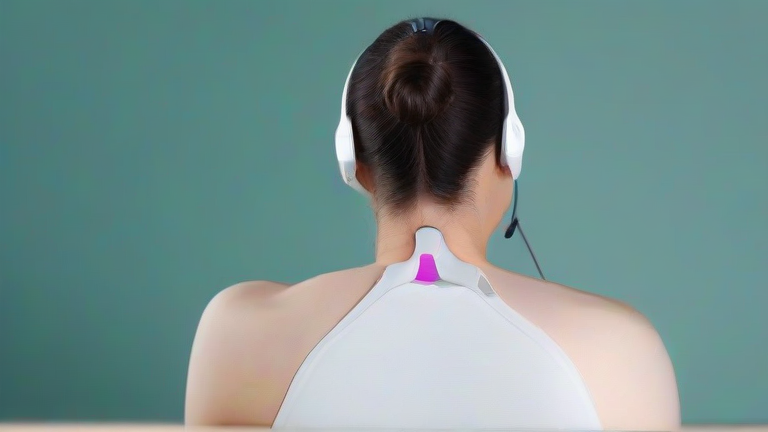
TL;DR: Neurotech wearables are revolutionizing health monitoring by using electroencephalography (EEG) and heart rate variability to measure stress in real-time, offering immediate biofeedback to users. This emerging market is projected to reach $1.6 billion by 2028, driven by increased workplace anxiety and a cultural shift toward proactive mental wellness.
The landscape of personal health monitoring is undergoing a seismic shift. For years, fitness trackers focused primarily on physical metrics like steps taken, calories burned, and sleep duration. However, a new wave of technology is piercing the skull, quite literally, to measure the electrical activity of the brain. These neurotech wearables are no longer niche scientific instruments but accessible consumer devices capable of detecting stress levels as they happen. By analyzing electroencephalography (EEG) data alongside physiological signals like heart rate variability (HRV), these devices provide a granular view of mental states, allowing users to intervene before stress becomes chronic.
If you want to dig deeper, check out our guide on Top Tech Trends 2024: What You Need to Know.
The Market Explosion
Investor confidence in this sector is skyrocketing. Recent market analysis indicates that the global neurotechnology market is expanding at a compound annual growth rate (CAGR) of over 12%. A significant portion of this growth is attributed to consumer-facing wellness products. Major tech giants and agile startups alike are racing to patent algorithms that can distinguish between anxiety, focus, and fatigue with high accuracy. The data suggests that consumers are willing to pay a premium for devices that offer tangible mental health benefits, not just passive tracking.

Dr. Elena Rostova, a leading neuroscientist at the Institute for Digital Health, notes, “We are moving from reactive medicine to proactive mental hygiene. When a device alerts you that your stress cortisol markers are rising, you can practice breathing exercises or take a micro-break. This immediate feedback loop is transformative.”
Future Predictions and Challenges
Looking ahead, the integration of artificial intelligence will refine these predictions. Future devices will not just report stress but will suggest personalized interventions based on historical data. Imagine a device that learns your unique stress triggers and automatically adjusts your environment through smart home integration. However, challenges remain. Data privacy is a paramount concern, as neural data is considered highly sensitive biometric information. Regulatory bodies are currently drafting frameworks to ensure that brain data is protected from corporate exploitation.
Furthermore, accuracy remains a hurdle. Motion artifacts and external electromagnetic interference can skew readings. As materials science advances, we can expect lighter, more comfortable headbands with improved sensor fidelity. The convergence of soft robotics and biometric sensing will likely lead to wearable form factors that are indistinguishable from everyday accessories like headphones or hair clips.
The implications for healthcare are profound. Employers may begin offering neurotech wearables as part of employee wellness programs to reduce burnout. Insurance companies might offer discounts for users who demonstrate consistent stress management through device data. This democratization of neurofeedback empowers individuals to take charge of their mental resilience, turning abstract concepts like “calm” into measurable, manageable metrics.
FAQ
Q: How do neurotech wearables measure stress?
A: They primarily use EEG sensors to detect brainwave patterns associated with relaxation or tension, often combined with HRV data from optical heart rate sensors.
Q: Are these devices safe for daily use?
A: Yes, most consumer neurotech wearables are non-invasive and passive, meaning they only read electrical signals rather than emitting radiation or inserting electrodes into the skin.
Q: Can these devices diagnose medical conditions?
A: No, they are designed for wellness and biofeedback purposes only and are not intended to replace professional medical diagnosis or treatment for clinical anxiety or depression.