TL;DR: Remote work mandates have inadvertently spurred the creation of hybrid office hubs that prioritize collaboration over daily attendance. These new physical spaces are designed to support mental well-being and social connection, addressing the isolation inherent in fully remote arrangements.
The shift toward hybrid work models has fundamentally altered the landscape of modern professional environments. As companies navigate the balance between remote flexibility and in-person synergy, a new architectural and cultural phenomenon has emerged: the hybrid office hub. These are not traditional cubicle farms, but rather curated spaces designed specifically to facilitate the social and collaborative aspects of work that are often lost in digital communication. From a health and wellness perspective, this transition offers both challenges and significant opportunities for improving employee well-being.
The Science of Connection
Research consistently shows that human beings thrive on social interaction. The isolation experienced during prolonged periods of fully remote work has been linked to increased levels of cortisol, the body’s primary stress hormone. Studies from the Journal of Occupational Health Psychology indicate that a lack of face-to-face interaction can lead to feelings of loneliness and decreased job satisfaction. Hybrid hubs address this by providing dedicated spaces for team bonding, spontaneous problem-solving, and mentorship. By mandating specific days for in-person attendance, organizations can foster a sense of belonging and community that digital platforms struggle to replicate.
Lifestyle Tips for Hybrid Success
To maximize the benefits of hybrid work, employees must adopt intentional lifestyle strategies. First, prioritize physical movement. Commuting to a hub provides an opportunity for active travel, such as walking or cycling, which boosts cardiovascular health and cognitive function. Second, establish clear boundaries. When the office becomes a special destination rather than a daily routine, it is crucial to separate work time from personal time to prevent burnout. Finally, utilize the hub for tasks that require deep collaboration, reserving remote days for focused, individual work. This division of labor ensures that in-person time is high-value and low-stress.
Designing for Wellness
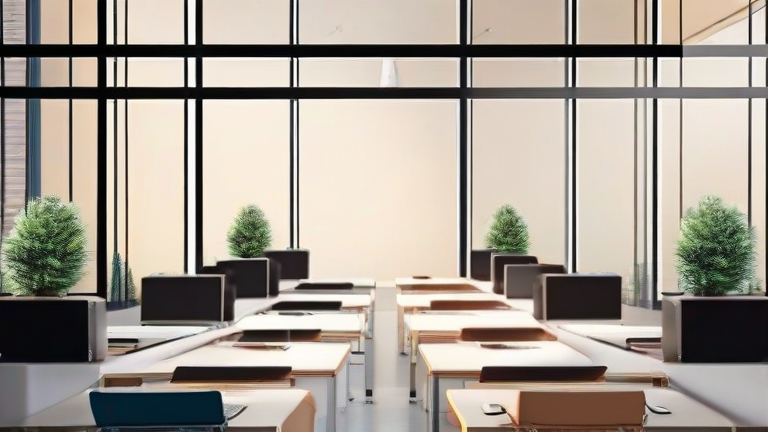
Modern hybrid hubs are increasingly incorporating biophilic design elements, such as natural lighting, indoor plants, and ergonomic furniture. These features are not merely aesthetic; they are scientifically proven to reduce eye strain, lower blood pressure, and improve air quality. Employers should encourage employees to take regular breaks in these spaces, stepping away from screens to recharge mentally.
FAQ
Q: How often should employees go to the office?
A: Experts recommend two to three days per week to balance collaboration with remote focus, but this should be flexible based on team needs.
If you want to dig deeper, check out our guide on r/Ecommerce Rules: Read & Abide Before Posting.
Q: Can hybrid work improve mental health?
A: Yes, by reducing commute stress and providing social connection, hybrid models can significantly lower anxiety and improve overall psychological well-being.
Q: What is the best way to use remote days?
A: Reserve remote days for deep, uninterrupted work and personal tasks, saving in-person days for meetings and team building.