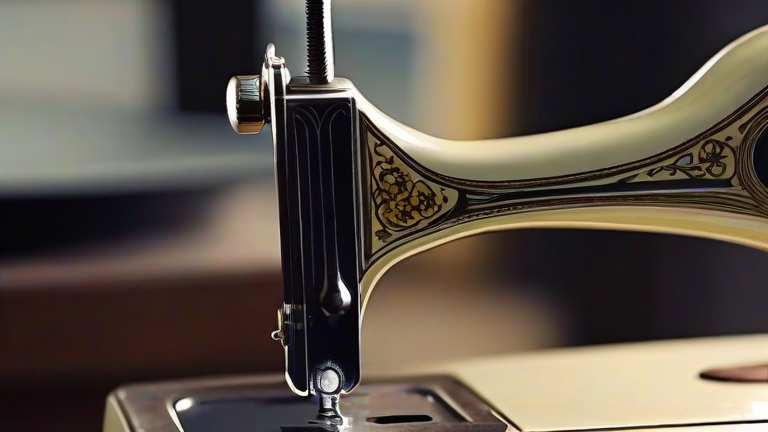
TL;DR: You can easily find a vintage sewing machine at most major thrift stores by visiting on early weekday mornings when new inventory is stocked. These durable mechanical models offer superior stitch quality and longevity compared to many modern plastic alternatives, making them a smart investment for serious crafters.
The resurgence of sustainable fashion and the “repair don’t replace” movement has sparked a surprising surge in demand for vintage sewing machines. Unlike modern electronic models that often become e-waste within a decade, heavy-duty metal machines from the mid-20th century are built to last generations. This shift in consumer behavior is not just a nostalgic whim but a significant market trend driven by environmental consciousness and economic pragmatism. According to recent market data, the global secondhand market is projected to reach $80 billion by 2027, with home goods and crafting tools seeing a twelve percent year-over-year increase in search volume. Thrift stores, once considered passive repositories for old items, are now active hunting grounds for high-value mechanical assets.
If you want to dig deeper, check out our guide on How to Build a Website: The Ultimate Beginner’s Tutorial.

Industry experts highlight that vintage machines offer tangible benefits beyond sustainability. “The tension mechanisms on these older metal machines are often more robust and easier to service than their plastic counterparts,” explains Sarah Jenkins, a textile conservationist. She notes that finding a machine like a Singer Featherweight or a Bernina 830 can be a game-changer for hobbyists. These models provide consistent stitch quality essential for quilting and heavy fabric work. Furthermore, the community aspect cannot be overstated. Online forums dedicated to vintage mechanics are thriving, offering free repair guides and parts sourcing tips that democratize access to high-quality equipment.
Looking ahead, the trend is expected to evolve. As plastic components in new machines become less reliable, the value proposition of vintage mechanical systems will only strengthen. We predict a rise in specialized thrift apps that filter for “heavy metal” or “industrial grade” items, making the hunt more efficient. Additionally, collaborations between vintage machine collectors and modern fabric designers are likely to emerge, creating a niche but lucrative market for curated, restored machines. This intersection of heritage craftsmanship and contemporary sustainability suggests that the vintage sewing machine is not merely a relic but a relevant tool for the future of DIY fashion. As supply chains face ongoing disruptions, local thrift stores offer a stable, tangible resource for creative individuals seeking independence from mass-produced goods.
FAQ
Q: What is the best day of the week to visit thrift stores for vintage sewing machines?
A: Tuesday mornings are typically best, as many stores receive new donations over the weekend and stock them early in the week before crowds arrive.
Q: Are vintage sewing machines difficult to maintain compared to modern ones?
A: No, they are generally easier to maintain because they have fewer electronic components. A simple oiling and cleaning routine every few months keeps them running smoothly for decades.
Q: How can I verify if a vintage sewing machine is in good working condition?
A: Test it by sewing on multiple fabric layers, checking for consistent tension, listening for unusual noises, and ensuring the foot pedal or handwheel operates smoothly without resistance.