Zero-Waste Beauty Product Trends: The Future of Sustainable Skincare
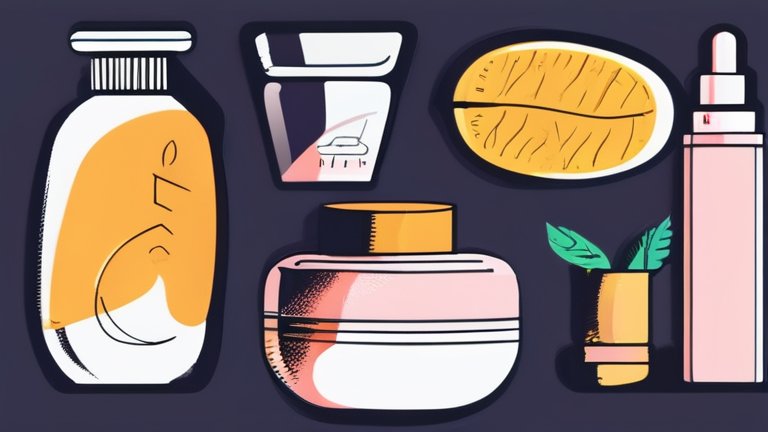
The beauty industry is undergoing a significant transformation, shifting away from single-use plastics toward circular economy models. Zero-waste beauty is no longer just a niche trend; it is becoming the standard for conscious consumers who prioritize environmental health alongside personal care. By adopting these practices, you reduce landfill contribution and support ethical manufacturing. This guide provides actionable steps to transition your routine effectively.
First, audit your current bathroom cabinet. Remove all products with mixed-material packaging that cannot be recycled, such as laminated tubes or pump mechanisms that combine plastic and metal. Discard these responsibly if local facilities allow, but focus primarily on identifying replacements. Look for brands that offer refillable glass containers or solid formulations. Solid shampoos, conditioners, and body wash bars eliminate the need for plastic bottles entirely. They are concentrated, travel-friendly, and often contain higher percentages of active ingredients because water is excluded.
Next, select refillable systems for your liquid products. Many emerging brands now offer aluminum or glass jars with replacement pouches made from compostable materials. When purchasing, check for certifications like Leaping Bunny or Fair Trade to ensure ethical standards. Replace cotton pads with reusable rounds made from bamboo or organic cotton. These can be washed and used for months, drastically cutting down on textile waste. Invest in a simple laundry bag designed for these pads to prevent fibers from entering waterways during washing.
Consider making your own masks or scrubs using kitchen ingredients. Sugar and olive oil create an effective exfoliant, while honey and turmeric make a soothing face mask. This approach ensures you know exactly what goes into your skin and reduces packaging waste to zero. However, always perform a patch test before trying new DIY recipes to avoid allergic reactions.
When buying bulk items, bring your own containers. Many health food stores and zero-waste shops