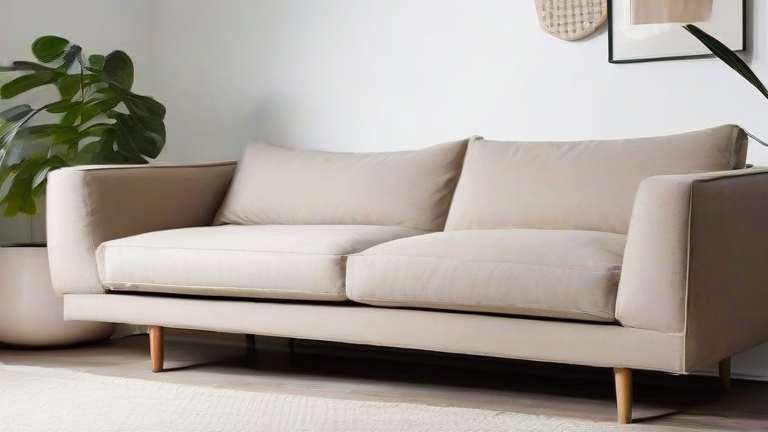
TL;DR: Investing in high-quality, non-toxic sealants and proper structural reinforcement ensures thrifted furniture lasts for decades rather than just seasons. By prioritizing durable materials like polyurethane varnish and wood glue over quick fixes, you create a sustainable home environment that supports both your wallet and your physical well-being.
Transforming Discarded Treasures into Healthy Homes
Finding unique, affordable furniture is a hallmark of savvy interior design, but the true value lies in longevity. Many thrifted items suffer from wobbly joints, faded finishes, or outdated aesthetics that discourage long-term use. However, with a few science-backed modifications, you can extend the life of these pieces significantly while improving their safety and comfort.
The most critical factor in furniture durability is the integrity of the joinery. Instead of relying solely on nails or staples, which can loosen over time due to humidity changes and daily stress, use high-grade wood glue. Research in materials science indicates that modern aliphatic resin glues create bonds stronger than the wood itself when clamped correctly for twenty-four hours. This simple step prevents the common issue of chairs collapsing under weight, reducing the risk of physical injury in your living space.
Furthermore, the finish you choose impacts indoor air quality. Traditional oil-based varnishes release volatile organic compounds (VOCs) that can linger for months, contributing to respiratory irritation and headaches. Opt instead for low-VOC or zero-VOC water-based polyurethane. These modern formulations provide a hard, durable shield against spills and scratches without compromising your health. Apply thin, even coats using a high-quality brush, allowing ample drying time between layers to ensure a smooth, protective barrier.
For upholstered items, consider the fabric’s breathability. Synthetic blends may look new but can trap heat and moisture, fostering mold growth. Natural fibers like organic cotton or linen are not only more durable but also promote better sleep hygiene by regulating body temperature. Reupholstering with these materials adds a layer of wellness to your daily routine, turning a discarded sofa into a sanctuary of comfort and safety.
FAQ
Q: What is the safest sealant for indoor furniture?
A: Low-VOC water-based polyurethane is the safest option, as it minimizes harmful chemical emissions while providing excellent durability.
If you want to dig deeper, check out our guide on BuyItForLife Canada: What’s Your Fave Made-in-Canada Product.
Q: How long should I clamp glued joints?
A: For maximum strength, clamp wood glue joints for at least twenty-four hours to allow the bond to fully cure and harden.
Q: Why are natural fabrics better for upholstery?
A: Natural fibers like cotton and linen are breathable, reducing moisture buildup and mold risk, which supports better respiratory health and sleep quality.