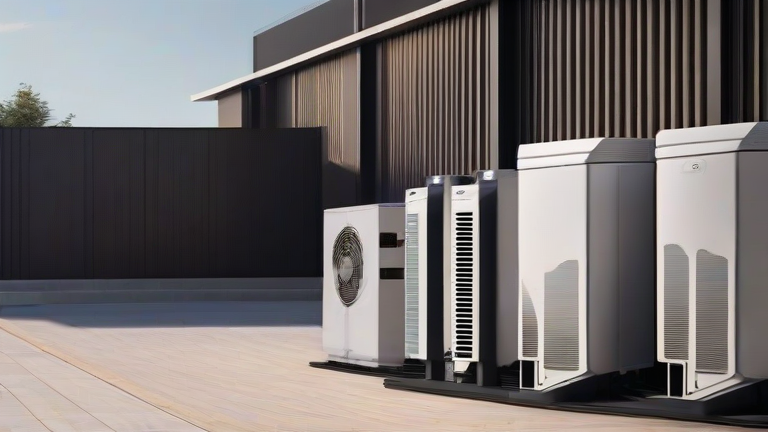
TL;DR: Decentralized home batteries stabilize the Texas grid by absorbing excess energy during peak production and releasing it during high demand, thereby reducing strain on transmission lines. This distributed network acts as a collective buffer, preventing blackouts without relying on centralized power plants.
How Decentralized Home Batteries Stabilize Power
The Texas electricity grid, managed by the Electric Reliability Council of Texas (ERCOT), faces unique challenges due to its isolation and extreme weather variability. Traditional stabilization relies on large, centralized power plants that can ramp up or down quickly. However, a new paradigm is emerging: the use of decentralized home batteries. These systems, often paired with solar panels, transform individual households into active grid participants rather than passive consumers. By storing energy when it is abundant and cheap, and discharging it when the grid is stressed, these batteries provide critical frequency regulation and voltage support. This guide explains how to leverage this technology to contribute to grid stability.
If you want to dig deeper, check out our guide on New RD Mod Series: Understanding the Basics.
Step-by-Step Instructions for Integration
Step 1: Assess Your Energy Profile
Before installing a battery, analyze your home’s energy consumption patterns. Use smart meter data or utility apps to identify peak usage hours. Understanding when you draw the most power allows you to configure your battery for optimal self-consumption and grid support. Identify if you have existing solar infrastructure, as pairing a battery with solar maximizes the environmental and economic benefits of decentralization.
Step 2: Select a Grid-Interactive Battery System
Not all home batteries are created equal. Choose a system that is “grid-interactive” or capable of “demand response.” This means the battery can communicate with utility providers or aggregators to receive signals about grid conditions. Look for inverters that support virtual power plant (VPP) protocols. Ensure the battery has a sufficient capacity (measured in kilowatt-hours) to last through your typical evening peak without needing a recharge from the grid.
Step 3: Install and Configure for Dispatch
Hire a certified installer familiar with Texas-specific interconnection rules. During configuration, enable “time-of-use” modes or “backup reserve” settings that allow third-party aggregators to dispatch the battery during grid emergencies. This setup ensures that your battery automatically discharges when ERCOT issues a conservation alert or when frequency drops below 60 Hz. Proper wiring and software integration are crucial to prevent feedback loops that could damage equipment.
Step 4: Monitor and Optimize Performance
Regularly monitor your battery’s health and performance through the manufacturer’s app. Check for firmware updates that may improve grid-response algorithms. Participate in demand response programs offered by your utility provider to earn credits or rebates. This financial incentive encourages wider adoption, creating a larger, more robust network of decentralized resources.
Pro Tips for Maximum Impact
First, keep your battery charge level between 20% and 90% during non-emergency periods to ensure longevity and readiness. Second, coordinate with neighbors to form a local microgrid; collective action amplifies the stabilizing effect on the local transformer. Third, stay informed about ERCOT market signals, as understanding when peak pricing occurs helps you strategize your discharge cycles for both personal savings and grid aid.
FAQ
Q: Can home batteries really prevent blackouts in Texas?
A: While a single battery cannot prevent a widespread blackout, thousands of synchronized home batteries can significantly reduce load during peak times, preventing the cascading failures that lead to outages.
Q: Will using my battery for grid support void my warranty?
A: Most modern battery warranties cover standard cycling; however, check specific terms regarding “grid-interactive” modes. Many manufacturers now explicitly support and warranty dispatchable usage through authorized aggregators.
Q: How do I know if my battery is responding to grid signals?
A: Your battery’s monitoring app will typically display status indicators such as “discharging” or “grid-support