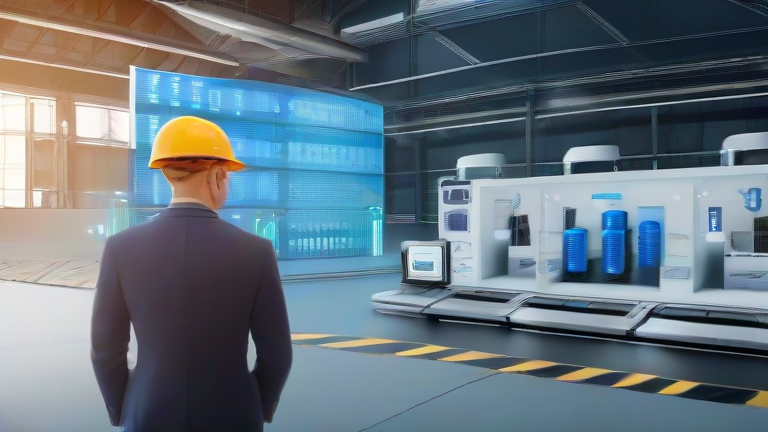
 # How Digital Twins Optimize Industrial Manufacturing Efficiency
In the rapidly evolving landscape of modern industry, the convergence of physical machinery and virtual data has given rise to a revolutionary concept known as the “Digital Twin.” While this term is deeply rooted in engineering and computer science, its implications extend far beyond factory floors, offering profound lessons for personal health, wellness, and lifestyle optimization. By understanding how digital twins streamline industrial processes, we can apply similar principles to enhance our own biological systems, leading to better health outcomes and increased daily efficiency.

At its core, a digital twin is a virtual replica of a physical object, process, or system. In manufacturing, engineers create these models to simulate performance, predict maintenance needs, and optimize workflows without risking actual equipment. This technology relies on real-time data collection from sensors, historical analytics, and advanced algorithms to provide a comprehensive view of system health. The primary benefit is the ability to identify inefficiencies before they become costly failures. For instance, if a motor begins to vibrate abnormally, the digital twin detects the pattern and alerts technicians to perform preventive maintenance, thereby avoiding unplanned downtime.
The science behind this process is rooted in systems theory and predictive analytics. Studies in industrial engineering demonstrate that facilities utilizing digital twins experience up to a twenty percent increase in operational efficiency. This is achieved by continuously monitoring key performance indicators and adjusting parameters dynamically. The feedback loop created between the physical and virtual worlds allows for constant refinement and improvement. This concept of continuous feedback is not exclusive to machines; it is equally applicable to human physiology.
Just as a factory manager monitors machine metrics, individuals can monitor their biological metrics to optimize their health. Wearable technology, such as fitness trackers and smartwatches, acts as our personal digital twin. These devices collect data on heart rate variability, sleep quality, activity levels, and stress markers. By analyzing this data, we gain insights into how our bodies respond to different lifestyle choices. For example, if the data shows that poor sleep correlates with lower energy levels the next day, we can adjust our evening routines to prioritize rest.
To apply these industrial efficiency principles to your wellness routine, start by establishing a baseline. Use a wearable device to track your vital signs consistently for at least two weeks. Identify patterns that