Virtual Try-On Tech: Visualize Home Decor in Your Space
Renovating a home or simply refreshing a living room can be an exhilarating yet daunting process. The biggest hurdle? Uncertainty. Will that velvet sofa actually fit through the doorway? Does that bold geometric rug clash with your existing beige curtains? For years, shoppers have relied on intuition and two-dimensional images, often leading to costly returns and frustrated decor choices. Enter Virtual Try-On Technology, a revolutionary tool that bridges the gap between imagination and reality. This article reviews the current landscape of augmented reality (AR) interior design apps, highlighting how they are transforming the way we shop for home goods.
At the core of this technology is Augmented Reality, which allows users to project 3D models of furniture and decor items directly into their physical environment via a smartphone or tablet camera. The standout feature of modern platforms like IKEA Place, Amazon’s View in Your Room, and Houzz is their precision and realism. Unlike older, pixelated overlays, these new tools use advanced depth-sensing algorithms to understand lighting, shadows, and perspective. This ensures that a virtual chair doesn’t just float above the floor but casts realistic shadows and aligns correctly with your room’s dimensions.
If you want to dig deeper, check out our guide on Mental Health Apps Integrating With Wearable Biometrics.
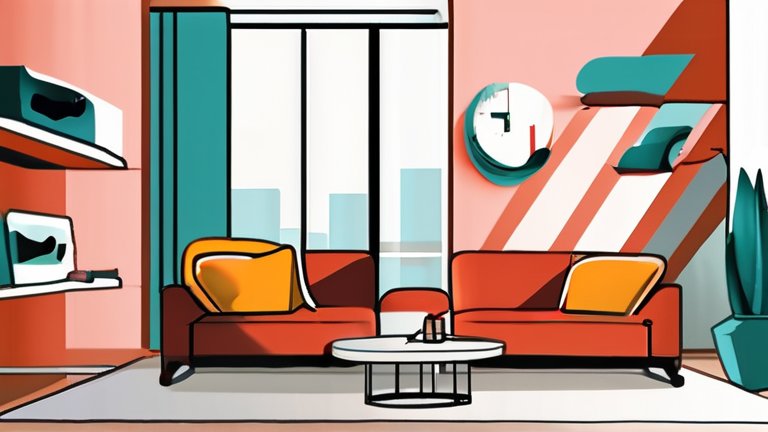
When comparing leading solutions, distinct strengths emerge. IKEA Place excels in accuracy for individual items, offering true-to-scale models of their extensive catalog. It is perfect for testing if a specific lamp fits on a side table. Conversely, Houzz offers a broader ecosystem, allowing users to browse thousands of brands and visualize entire room layouts. While IKEA Place is specialized, Houzz is comprehensive. However, both suffer from occasional connectivity issues on older devices. For users seeking a middle ground, Shopify-integrated AR tools are becoming increasingly prevalent, offering a seamless transition from visualization to purchase without leaving the retailer’s website.
The benefits extend beyond mere convenience. By reducing the guesswork, these tools significantly lower return rates, which is beneficial for both the environment and your wallet. Furthermore, they empower homeowners to experiment with bold colors and large furniture pieces they might otherwise avoid. Seeing a bright red armchair in your actual space can provide the confidence needed to make a statement