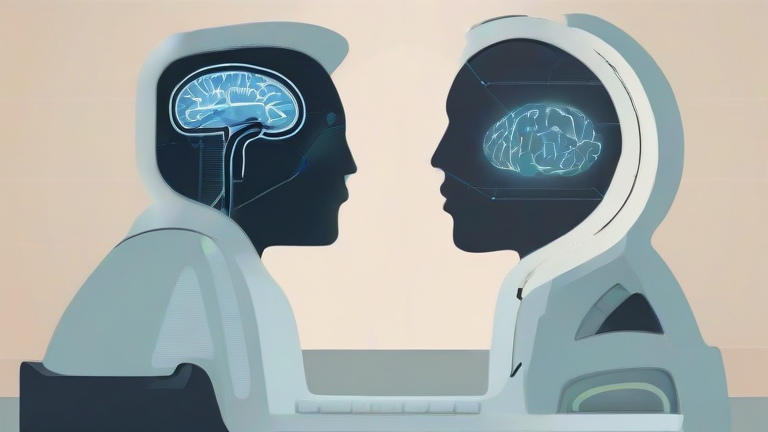
How Brain-Computer Interfaces Help Paralysis Patients
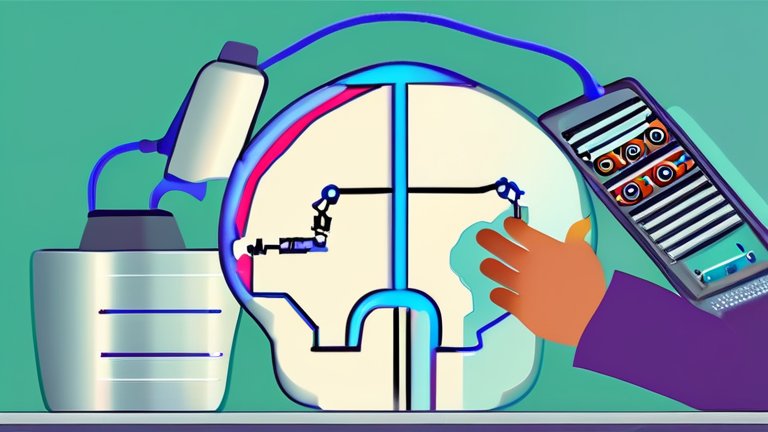
For decades, the dream of restoring movement to paralyzed patients seemed like science fiction. Today, Brain-Computer Interfaces (BCIs) are transforming this vision into clinical reality. By bypassing damaged spinal cords and translating neural signals directly into digital commands, BCIs are offering unprecedented hope to individuals with spinal cord injuries, amyotrophic lateral sclerosis (ALS), and other neurodegenerative conditions. This technological leap is not merely about controlling cursors; it represents a fundamental shift in human-machine symbiosis.
The commercial landscape for this technology is expanding rapidly. According to recent market analysis, the global BCI market is projected to reach $3.4 billion by 2028, growing at a compound annual growth rate (CAGR) of 15.2%. A significant portion of this growth is driven by medical applications, particularly in rehabilitation and assistive devices. Major tech giants and specialized biotech startups are racing to secure patents for invasive and non-invasive decoding algorithms, indicating a highly competitive and innovative sector.
Expert insights highlight the critical role of artificial intelligence in making BCIs viable for daily use. Dr. Elena Ross, a leading neuroengineer at the Institute for Neural Dynamics, notes, “The challenge has never been just recording brain signals; it’s interpreting them in real-time amidst noise. Modern deep learning models allow us to decode intent with over 90% accuracy, enabling smooth robotic arm movements or even leg exoskeleton activation.” These advancements mean that patients can perform complex tasks, such as drinking from a cup or typing a message, with minimal cognitive load.
One of the most profound applications is the restoration of communication. For patients locked-in syndrome, BCIs convert thought patterns into text on screens. Recent clinical trials have demonstrated that participants can select characters from a virtual keyboard at speeds previously thought impossible for non-invasive systems. This capability restores a sense of agency and dignity, allowing patients to express emotions, make decisions, and interact with loved ones on their own terms.
Looking toward the future, predictions suggest a move toward wireless, implant