
Sustainable Fashion: Embracing Circular Economy Models
In the heart of Copenhagen, where cobblestone streets meet minimalist architecture, a quiet revolution is reshaping how we view our wardrobes. This city, often cited as a global hub for design and sustainability, offers more than just aesthetic inspiration; it provides a tangible blueprint for the future of consumption. Here, fashion is no longer a linear path of buy-wear-dispose, but a dynamic loop of creation, use, and regeneration. For the modern traveler or style-conscious individual, understanding this shift is not just an ethical imperative but a journey into personal growth and cultural appreciation.
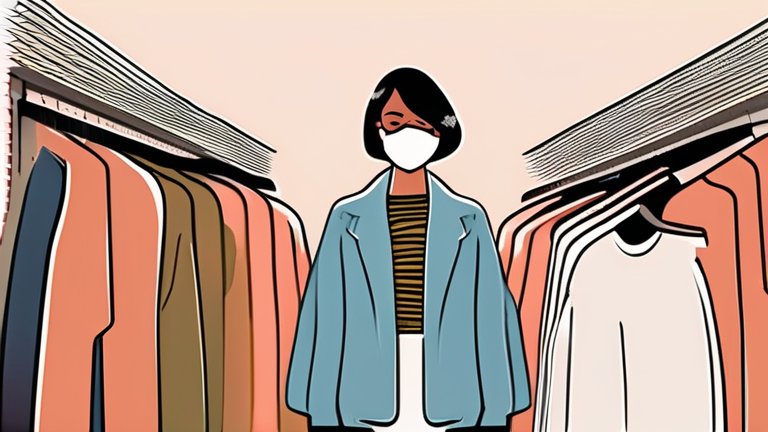
The concept of a circular economy challenges the traditional linear model that has dominated industries for decades. Instead of extracting raw materials to create products that eventually end up in landfills, a circular system keeps resources in use for as long as possible. It extracts the maximum value from those items when they are in use, then recovers and regenerates products and materials at the end of each service life. In the context of fashion, this means designing garments for durability, promoting repair services, encouraging second-hand trading, and ensuring that textiles are biodegradable or recyclable at the end of their lifecycle.
If you want to dig deeper, check out our guide on Quantum Computing Hits Commercial Scale: What It Means for B.
Embracing this model is deeply connected to personal growth. When we shift from being passive consumers to active participants in a circular system, we begin to value quality over quantity. This mindset shift extends beyond clothing. It influences how we approach food, travel, and daily habits. Consider the act of buying a second-hand coat from a local vintage shop in Berlin or renting a traditional kimono in Kyoto. These experiences connect us to the history and culture of the items we wear. They tell stories of craftsmanship, of previous owners, and of the artisans who made them. This emotional connection fosters a deeper respect for the resources used and the labor invested, reducing the impulse for impulsive, wasteful purchases.
Furthermore, the circular fashion movement encourages community engagement and cultural exchange. Thrift stores, clothing swaps, and repair cafes become social hubs where people gather not just to exchange goods, but