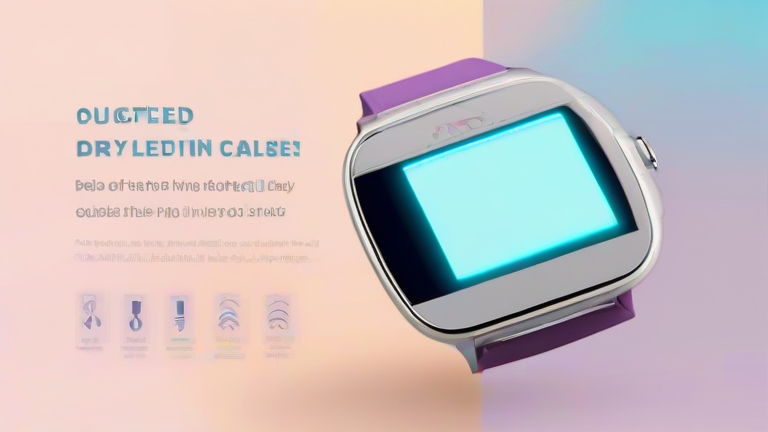
Wearable Tech Detects Early Signs of Metabolic Disease
The landscape of personal health monitoring is undergoing a profound transformation, moving beyond simple step counting and heart rate tracking to sophisticated metabolic analysis. Recent breakthroughs in biosensor technology have enabled wearable devices to detect early signs of metabolic diseases, such as type 2 diabetes and insulin resistance, often before clinical symptoms manifest. This shift represents a paradigm change from reactive healthcare to proactive prevention, offering users unprecedented insight into their physiological status.
Latest Developments in Biosensing
Leading tech companies and biotech startups are currently integrating advanced electrochemical sensors into smartwatches and continuous glucose monitors (CGMs). These new devices utilize non-invasive or minimally invasive techniques to measure biomarkers like lactate, ketones, and glucose in real-time. The latest iterations employ micro-needles that penetrate the superficial layer of the skin to analyze interstitial fluid, providing data with remarkable accuracy comparable to laboratory blood tests. This capability allows for the immediate detection of metabolic fluctuations, empowering individuals to adjust their diet and exercise routines instantly.
If you want to dig deeper, check out our guide on How AI Agents Automate Enterprise Workflows.

Technical Specifications and Capabilities
The new generation of metabolic wearables boasts impressive technical specifications. They feature multi-sensor arrays that combine optical heart rate monitors with bioimpedance analysis to estimate body composition and hydration levels. The devices are equipped with machine learning algorithms that process vast amounts of data to identify patterns indicative of metabolic stress. Battery life has been extended to seven days, ensuring continuous monitoring without frequent charging. Connectivity options include Bluetooth 5.3 and NFC, allowing seamless integration with health apps and electronic medical records. The sensors are hypoallergenic and water-resistant up to fifty meters, making them suitable for rigorous athletic activities.
Industry Impact and Future Outlook
The commercial impact of these advancements is significant. Insurance providers are beginning to offer premium discounts to policyholders who use these devices, recognizing the long-term cost savings associated with early disease detection. Healthcare providers are integrating this data into their diagnostic workflows, enabling more personalized treatment plans. The fitness industry is also adapting