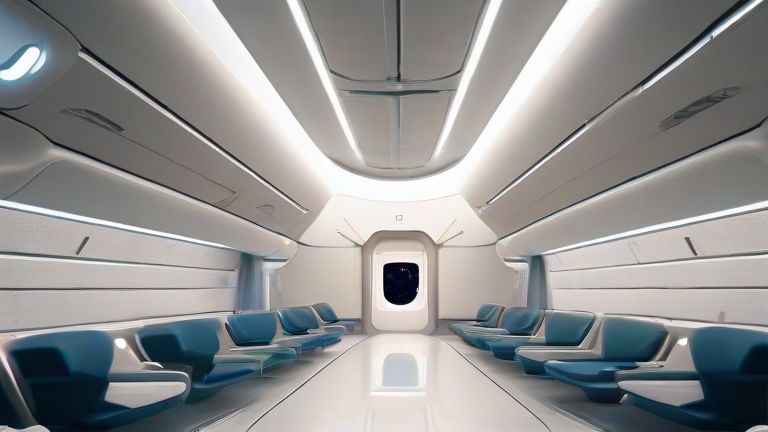
Affordable Space Tourism: Reaching New Price Points
The dream of looking down at the blue marble from the edge of space has long been the exclusive province of billionaires and state-funded astronauts. However, the aerospace industry is undergoing a seismic shift. For the first time in history, commercial space travel is transitioning from a vanity project for the ultra-wealthy to an emerging market accessible to the upper-middle class. This article explores the latest technological developments, specific vehicle specifications, and the profound impact this democratization of orbit is having on the global economy.

The cornerstone of this affordability revolution is the development of fully reusable launch systems. Historically, the high cost of spaceflight stemmed from the fact that most rockets were discarded after a single use, requiring expensive manufacturing and refurbishment for every flight. Today, companies like SpaceX, Blue Origin, and Rocket Lab are pioneering reusable first stages and even orbital class boosters. By landing boosters back on Earth or on drone ships, these companies drastically reduce the marginal cost of each subsequent launch. This economy of scale is the primary driver behind the dropping price tags for passenger tickets, which are projected to fall below $50,000 within the next decade, compared to the $55 million paid by Dennis Tito in 2001.
If you want to dig deeper, check out our guide on Global Scale-Up of Sustainable Aviation Fuel for Cleaner Air.
Looking at the technical specifications, the vehicles designed for civilian tourism are distinct from heavy-lift military rockets. The Blue Origin New Shepard, for instance, is an suborbital vehicle that reaches the Kármán line, providing passengers with approximately three to four minutes of weightlessness. It operates on a vertical takeoff and vertical landing (VTVL) architecture, ensuring a smooth, rocket-like experience with minimal G-forces. On the other hand, SpaceX’s Crew Dragon and the upcoming Starship represent orbital tourism. Starship, currently in rigorous testing phases, is designed to carry up to 100 people at a time. Its stainless-steel construction offers superior heat resistance and lower material costs compared to traditional aluminum-lithium alloys. These specs indicate a future where space travel is not only cheaper but also safer and more frequent, with high turnover rates similar to