Boost Soil Carbon Capture with Regenerative Agriculture
In the quiet, often overlooked world beneath our feet, a revolutionary shift is taking place that holds the key to mitigating climate change while enhancing human health. Regenerative agriculture is not merely a farming technique; it is a holistic philosophy that views the soil as a living, breathing ecosystem. By prioritizing soil health, we can unlock immense potential for carbon capture, turning agricultural land from a source of emissions into a vital carbon sink. This approach goes beyond sustainability, aiming to actively restore and rejuvenate degraded lands, creating a symbiotic relationship between the environment and the food we consume.
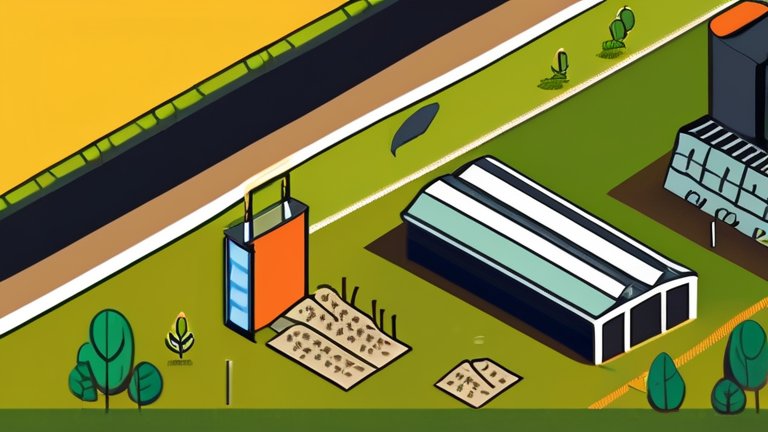
The science behind this movement is robust. Healthy soil is teeming with microorganisms, fungi, and earthworms that play a critical role in the carbon cycle. When plants photosynthesize, they pull carbon dioxide from the atmosphere and convert it into sugars. A significant portion of these sugars is exuded through the roots into the rhizosphere, feeding soil microbes. In turn, these microbes help stabilize carbon in the soil structure, preventing it from returning to the atmosphere. Studies indicate that regenerative practices such as no-till farming, cover cropping, and rotational grazing can sequester substantial amounts of carbon annually. This process not only helps cool the planet but also improves soil water retention, nutrient density, and biodiversity, creating a resilient ecosystem capable of withstanding extreme weather events.
If you want to dig deeper, check out our guide on Remote Work Hubs Are Replacing City Offices.
For individuals seeking to contribute to this global effort, adopting regenerative principles in your daily life is both accessible and impactful. Start by transforming your backyard or balcony into a regenerative garden. Avoid chemical pesticides and synthetic fertilizers, which disrupt the delicate microbial balance essential for carbon storage. Instead, compost organic waste to create nutrient-rich humus, mimicking the natural decay processes of the forest floor. Plant diverse species, including native perennials and cover crops, to ensure year-round ground cover and continuous root activity. This diversity supports a wider range of soil life, enhancing the soil’s capacity to capture and store carbon.
Furthermore, your dietary choices directly influence agricultural systems. Support local farmers who practice