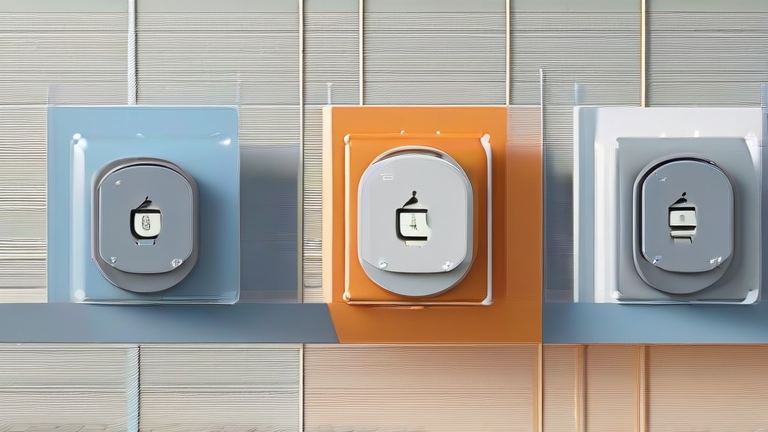
Smart Home Energy Grids Go Mainstream
The era of passive electricity consumption is over. As renewable energy sources become more affordable and battery storage technology improves, the concept of the “smart home energy grid” is transitioning from futuristic novelty to household necessity. This shift allows homeowners not just to consume power, but to manage, store, and even sell it back to the main grid. Understanding how to integrate these systems into your daily life is crucial for maximizing savings and reducing your carbon footprint. This guide provides a clear roadmap for transitioning your home into an energy-efficient smart ecosystem.
Step 1: Assess Your Current Energy Profile
Before installing any new hardware, you must understand your baseline consumption. Begin by reviewing your last twelve months of electricity bills to identify peak usage times. Are you consuming the most power during the day or at night? This data is vital for sizing your future solar array and battery storage correctly. Next, conduct a home energy audit. Look for drafty windows, old insulation, and inefficient appliances. Upgrading to LED lighting and high-efficiency HVAC systems should be your first priority. You cannot optimize a system that is leaking energy at every turn. Once you have minimized your waste, you will require less renewable generation capacity, lowering the initial installation cost.
If you want to dig deeper, check out our guide on 10 Science-Backed Health Habits to Boost Your Energy Today.
Step 2: Install Smart Monitoring Hardware
The brain of your smart energy grid is the monitoring system. Install a smart electrical panel or individual smart plugs that report usage data to a central hub or app in real-time. These devices provide granular insights, showing you exactly which appliances are draining power.  Look for systems that integrate with voice assistants like Alexa or Google Home. This integration allows for automated routines, such as turning off non-essential devices when you leave the house or scheduling high-energy tasks like laundry to run during off-peak hours when electricity rates are lowest.
Step 3: Integrate Solar and Battery Storage
With monitoring in place, it is time to generate your own power. Consult with certified installers to determine the optimal placement for solar panels. If your budget allows, pair these panels with a home battery system,